
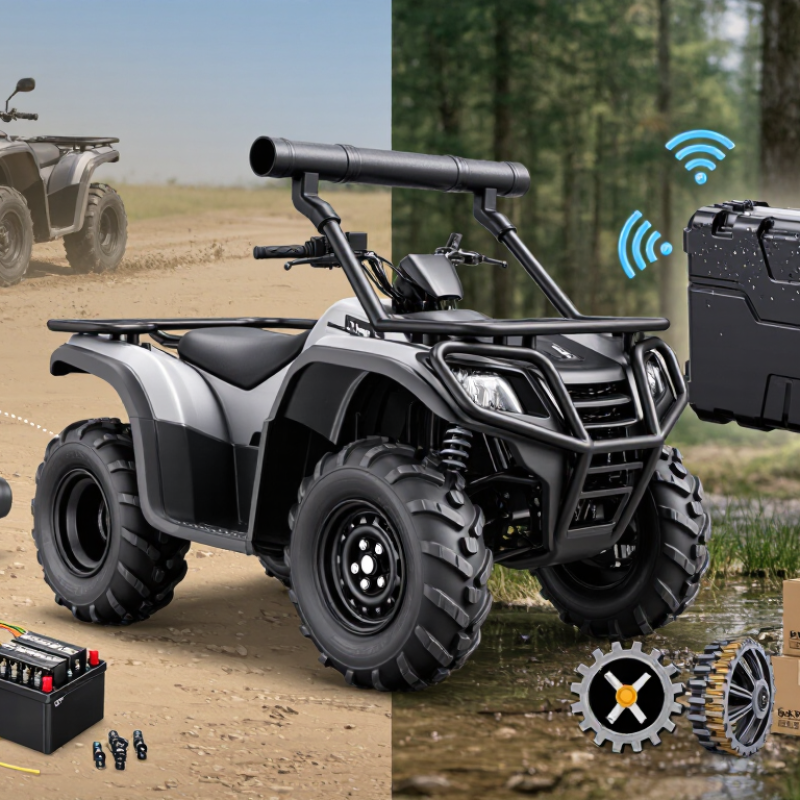
For global ATV buyers, a sound bar should survive more than loud music and sunny showroom displays. IEC 60529 IP67 testing checks dust protection and temporary water immersion. A compliant enclosure is dust-tight and can withstand immersion up to one metre for a defined period. However, sealing performance depends on the test setup, cable glands, buttons, and connector covers.
ISO 16750 testing adds vehicle-related environmental challenges. These may include temperature cycling, vibration, mechanical shock, humidity, and water exposure. An ATV sound bar experiences sharp trail impacts, engine vibration, muddy spray, and sudden temperature changes. During evaluation, engineers should inspect mounting brackets, speaker grilles, fasteners, and wiring after repeated cycles. A loose bracket can become a serious failure point.
Real-world validation matters. Test units should be mounted on representative ATV structures, not only placed inside a laboratory chamber. After vibration testing, technicians can check distorted housings, cracked seals, and intermittent audio. After water exposure, they should examine corrosion around terminals and confirm stable Bluetooth and power performance. A clean IP67 result does not guarantee long trail life. That assumption needs challenging. Even strong products may require better drainage, thicker brackets, or redesigned connector protection. Reliable manufacturers document test conditions, sample status, failure limits, and corrective actions, giving buyers evidence beyond a simple durability claim.