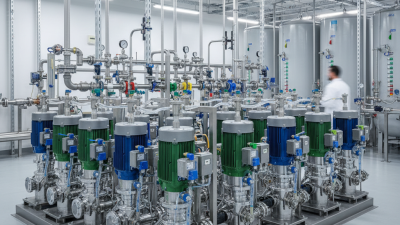
The global chemical diaphragm pump market is anticipated to witness substantial growth by 2026. According to a recent market report, the sector is expected to expand at a compound annual growth rate (CAGR) of 6.5%. This growth is driven by increasing demand across various industries, including chemical processing and wastewater management.
Chemical diaphragm pumps are crucial in handling corrosive and abrasive fluids. Their ability to ensure leak-free operation makes them indispensable in many applications. Companies are focusing on innovation, leading to the development of advanced diaphragm materials and designs. However, not all pumps are created equal. Some models may struggle with performance efficiency or durability, creating challenges for buyers.
Understanding the nuances of the market is essential. Buyers should consider factors such as pump efficiency, maintenance needs, and material compatibility. The right choice can significantly impact operational costs and safety. It's important to reflect on these elements when selecting a chemical diaphragm pump. Doing so can lead to enhanced performance and reliability in critical applications.
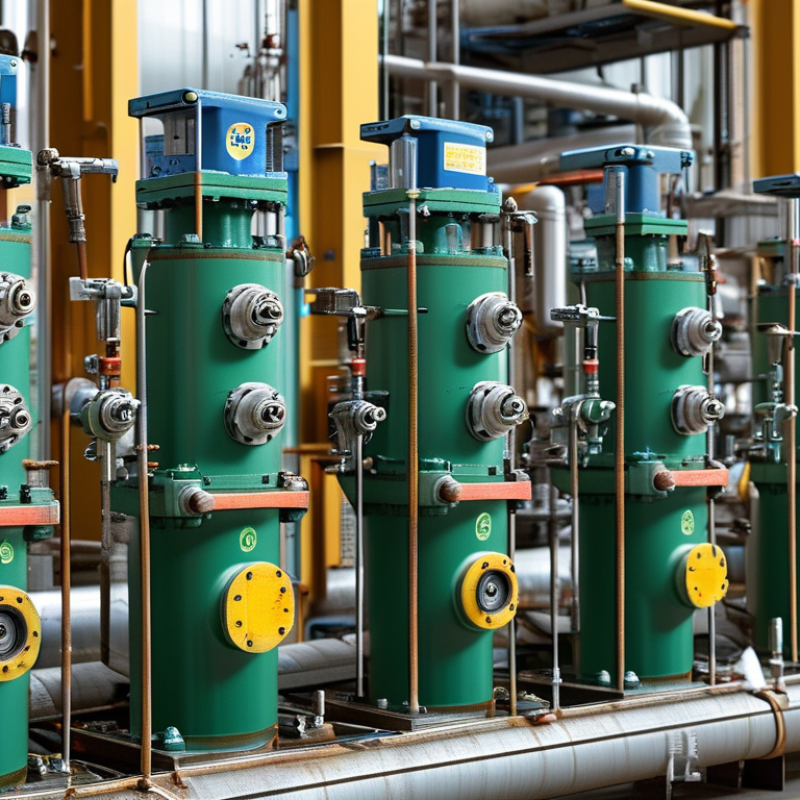
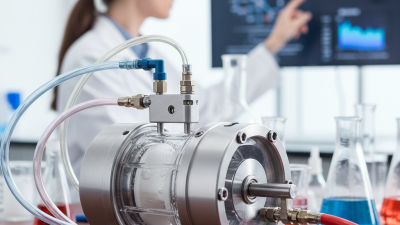
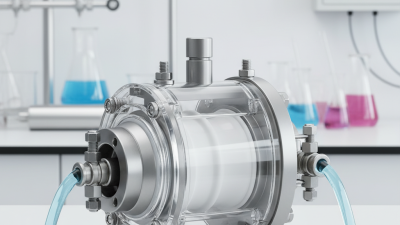
In 2026, chemical diaphragm pumps are increasingly vital for various industries. These pumps are designed for handling corrosive and viscous fluids. They work by using a diaphragm to create a barrier between the fluid and the pump mechanism. This design minimizes contamination, ensuring fluid purity. Moreover, advancements in materials have improved durability, effectively reducing maintenance needs.
Environmental concerns and regulatory changes drive innovation. Many manufacturers focus on creating energy-efficient models and using sustainable materials. As industries evolve, the demand for reliable pumps grows. However, buyers may face challenges when selecting the right model. Not all pumps will suit every application. Understanding the specific requirements of your fluid is crucial.
Some users report issues with pump performance under varying conditions. Temperature fluctuations or fluid viscosity can impact efficiency. It’s essential to consider these factors during selection. Ongoing improvements in technology may address some of these challenges. Buyers should remain informed about the latest developments and evaluate their options carefully. With a bit of research, identifying the best pump for specific needs can become easier.
When selecting a chemical diaphragm pump, consider its materials. The pump should be resistant to corrosion and chemical degradation. Typically, materials like polypropylene or PTFE are ideal for harsh environments. A chemically inert diaphragm can significantly enhance the longevity of the pump. The right material choice can prevent leaks and ensure safe operation.
Another important feature is the pump's flow rate. A suitable flow rate is essential for efficiency. It can impact the overall productivity of your processes. Evaluate the pump's performance specifications carefully. Factors like pressure rating and the ability to handle viscous fluids contribute to its effectiveness. Moreover, the ease of maintenance is crucial. Pumps that allow for quick diaphragm replacement save time and reduce downtime.
Noise and vibration levels are also worth considering. Excessive noise or vibration can affect the working environment. Look for designs that minimize both. These considerations might seem minor, but they reflect on operator comfort and safety. Finally, reviewing user experiences and expert recommendations will provide valuable insights. It's beneficial to learn from others' successes and challenges. This understanding can guide you towards making a more informed decision.
The chemical diaphragm pump market has seen significant developments in recent years. According to recent industry reports, the global diaphragm pump market was valued at approximately $3 billion in 2022. It is projected to grow at a compound annual growth rate (CAGR) of 5% from 2023 to 2028. This growth indicates a rising demand for reliable pumps in various industries, including chemical processing, pharmaceuticals, and food and beverage.
Top manufacturers have emerged in response to this demand. These companies focus on enhancing the durability and efficiency of diaphragm pumps. Many offer advanced technological features such as electronic monitoring capabilities. Such innovations are essential for ensuring safe and optimal operation. Industry data indicates that manufacturers adopting these technologies have reported up to a 30% increase in performance efficiency over traditional models.
However, challenges remain. Manufacturers must address issues related to corrosion resistance and maintenance. Even the most advanced pumps can falter without proper upkeep. Regular maintenance is often overlooked, leading to performance declines. As the market continues to evolve, finding the perfect balance between innovation and reliability will be crucial for future success in the chemical diaphragm pump sector.
Chemical diaphragm pumps are crucial in various industries. They are known for their precision and reliability in handling aggressive fluids. In the chemical processing sector, these pumps are essential for metering, transferring, and mixing fluids. According to a recent market report, the global chemical diaphragm pump market is expected to reach $1.5 billion by 2026. This growth is fueled by increasing demand in industries like pharmaceuticals, food and beverage, and water treatment.
In pharmaceuticals, chemical diaphragm pumps are used for transferring active ingredients. Their ability to handle corrosive and viscous fluids makes them ideal for this application. The food and beverage industry utilizes these pumps for hygienic processing. They ensure that products remain uncontaminated during transfer. Additionally, they are vital in wastewater treatment plants. These pumps help manage toxic chemicals safely, minimizing environmental impact.
Despite the advantages, challenges remain. Some users report issues with maintenance. Diaphragm wear can affect performance. Regular inspections are necessary but may be overlooked. Addressing these maintenance challenges is critical for optimal functionality. The reliance on these pumps will grow as industries evolve, but operators must remain vigilant regarding their upkeep.
In 2026, the landscape of chemical diaphragm pumps is evolving. Buyers need to consider various models that cater to specific needs. The common factors to analyze include flow rate, materials, and maintenance requirements. Many users favor pumps made from corrosion-resistant materials. This choice enhances durability and reliability. Users often report issues with seals and diaphragms, highlighting the need for high-quality components.
A comparative analysis reveals that some models are more energy-efficient than others. Efficiency is important for long-term cost savings. Users may also find differences in ease of installation and operation. Complexity can lead to higher maintenance costs. Therefore, practical aspects cannot be overlooked.
Some models have innovative features but prove challenging to understand. Users frequently assess the balance between advanced functionality and usability. It’s essential to seek feedback from experienced operators. Their insights can guide buyers toward making informed decisions. Keeping an open mind about each model’s strengths and weaknesses is crucial for optimal selection.