In the evolving landscape of wastewater management, finding the right flocculant is crucial. Renowned expert Dr. Laura Simmons has noted, "Choosing the correct Wastewater Flocculant can make or break treatment efficiency." Her words emphasize the significance of tailored solutions in various contexts.
Wastewater Flocculants serve to aggregate particles, making them easier to remove. The choices available are vast, ranging from natural to synthetic options. Each type presents unique advantages and challenges. The industry continuously innovates, yet selecting the best solution requires careful consideration.
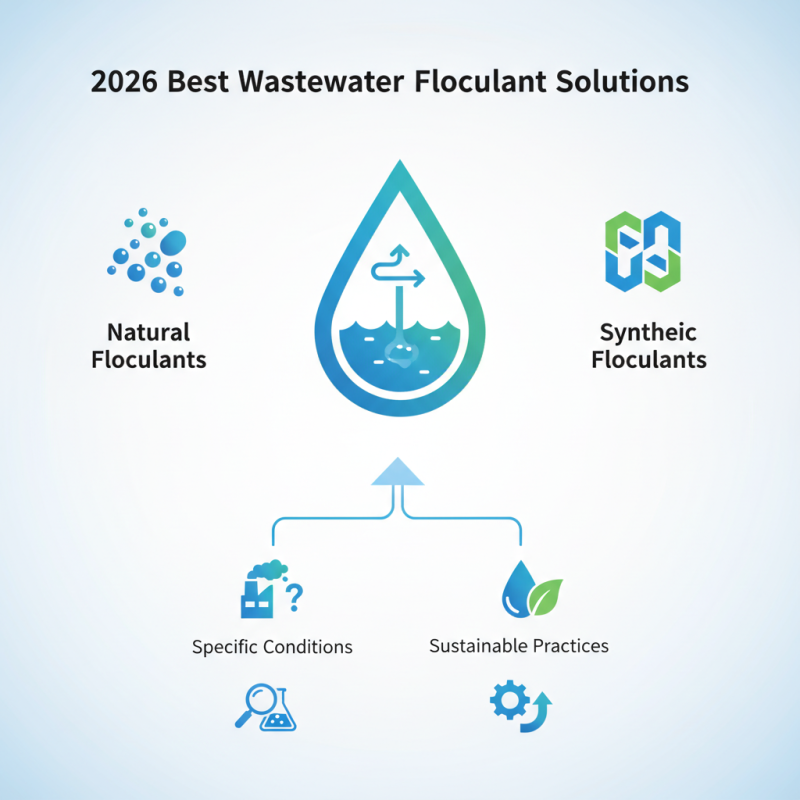
Yet, there are gaps in understanding these products. Users often overlook how specific conditions impact flocculant performance. Not every solution suits every scenario. Therefore, it’s essential to reflect on individual needs and conditions to choose effectively. The right Wastewater Flocculant enhances treatment and fosters sustainable practices. Investing in proper education on these products is an ongoing journey for the industry.
Wastewater treatment is a critical process for environmental protection. Flocculants play a significant role in this area. These chemicals help aggregate tiny particles into larger clumps, or flocs. This process enhances the efficiency of sedimentation and filtration. According to a report by the Global Water Intelligence, flocculants can improve solid removal rates by over 90% in specific conditions. This statistic underscores their importance in modern wastewater treatment.
The types of flocculants vary significantly. They can be classified based on their charge: cationic, anionic, and non-ionic. Each type serves different purposes, depending on the wastewater composition. For instance, cationic flocculants are effective in treating wastewater from textile industries. However, improper use can lead to issues like residual toxicity. It's crucial to monitor the concentration levels used in applications. Some studies indicate that excessive flocculant use may alter the pH balance, affecting aquatic life.
Operational challenges also arise in flocculant selection. The choice of flocculant often hinges on budget constraints and treatment efficiency. It's a delicate balance. Finding the optimal flocculant may require extensive trial and error. Sometimes, the trial solutions produce less than satisfactory results. Maintaining regulatory compliance adds another layer of complexity to the decision-making process. Industry professionals must regularly evaluate their flocculant choices to adapt to changing wastewater characteristics.
Flocculants play a vital role in wastewater treatment. They help remove suspended particles, making water clearer. There are several types commonly used in the industry. Each has its strengths and weaknesses. It's crucial to choose the right one for specific needs.
Organic flocculants, like polyacrylamides, are highly effective. They work well in treating a variety of wastewater types. They help save time in processing. However, they can create challenges with residuals. Proper monitoring is needed to assess their impact.
Inorganic flocculants, such as aluminum sulfate, are another choice. They're often cost-effective and easy to use. But, they can contribute to excessive sludge production. This requires careful management. Balancing effectiveness and environmental concerns is essential. Selecting the right flocculant involves understanding these complexities. Options are abundant, but not all are perfect for every situation.
When selecting a wastewater flocculant, several factors demand careful consideration. The type of wastewater is paramount. Different flocculants suit varying applications, such as municipal versus industrial wastewater. According to recent industry reports, the effectiveness of flocculants can vary by up to 50% depending on their match with specific contaminants. Understanding the composition and characteristics of the wastewater is essential for optimizing treatment outcomes.
Another critical aspect is the compatibility with existing systems. Some flocculants may disrupt processes, leading to inefficiencies. A report by the Water Environment Federation indicates that improper flocculant choice can increase operational costs by an alarming 30%. Conducting thorough trials and testing is often necessary to minimize risks.
Cost is a practical concern as well. While cheaper options may seem appealing, their effectiveness could lead to higher long-term costs. Balancing upfront expenses with overall efficacy can be challenging. Some facilities might overlook the importance of sustainability in their flocculant choice. It’s essential to reflect on whether the selected solution aligns with environmental standards and goals.
In 2026, the quest for effective wastewater treatment is more critical than ever. Flocculant solutions are essential in this industry. They enhance the separation of solids from liquids, improving water quality significantly. Various types of flocculants are available, each with distinct properties. For instance, some are more suited for high turbidity wastewater, while others excel in specific applications like industrial or municipal wastewater treatment.
Natural flocculants are gaining attention recently. Their use not only promotes eco-friendliness but also minimizes chemical impacts. These products, derived from algae or plant materials, can provide effective sedimentation. However, they may be less predictable than synthetic options. Operational conditions and wastewater characteristics can greatly affect their performance. It pushes us to reflect on the need for tailored solutions in wastewater management.
Despite the advances in flocculant technologies, challenges remain. Some processes can be inefficient. Overuse of chemical flocculants can lead to residual chemicals in the treated water. Additionally, proper dosages require precise monitoring, which is often overlooked. As we explore new flocculant solutions, we must consider both the benefits and potential drawbacks they bring to wastewater treatment processes.
The future of wastewater flocculant development is shifting towards sustainability. Innovations focus on biodegradable materials. These alternatives promise efficiency without harming the environment. Research suggests that natural flocculants, like plant-based options, can be effective. They also reduce chemical pollutants in waterways.
However, challenges remain. Many natural flocculants show variable performance under different conditions. Some might not be as effective as their synthetic counterparts. This inconsistency requires more research. Scientists are experimenting with enhancing the properties of these sustainable options.
Community awareness is crucial. Public understanding of wastewater treatment affects acceptance and use of greener solutions. A cultural shift towards sustainability can accelerate innovation. Encouraging local solutions may lead to tailored implementations that work best. The journey towards fully sustainable flocculants requires patience and dedication. There is much to learn and improve upon as we move forward.