Choosing a chemical feed pump supplier is not just a price comparison. The right partner can help maintain accurate dosing, steady flow, and dependable operation in demanding processes. A pump that looks suitable on paper may still struggle with a corrosive liquid, changing viscosity, or frequent start-stop cycles. Small details matter.
This guide introduces 10 chemical feed pump suppliers serving global buyers and highlights practical points to compare. These include metering accuracy, wetted materials, flow and pressure ranges, control options, documentation, service access, and spare-parts support. Buyers should also ask how suppliers validate performance and what technical help is available after installation. A datasheet alone is not enough.
There is no universal “best” supplier for every plant. A water-treatment facility and a chemical-processing line may need very different pump designs and support arrangements. Supplier capabilities can also vary by region, product series, and application. For that reason, treat any shortlist as a starting point, not a final verdict. Confirm current specifications directly, share the actual fluid and operating conditions, and request references where appropriate. A little extra checking can prevent a costly mismatch. Not every detail is obvious at first.
10 Best Chemical Feed Pump Suppliers for Global Buyers?
What Chemical Feed Pumps Do and Where They Are Used
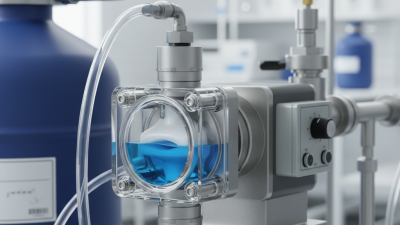
Chemical feed pumps deliver measured amounts of liquid chemicals into a process line, tank, or treatment system. They are often used for disinfection, pH adjustment, and corrosion control. Common designs include diaphragm, plunger, and peristaltic pumps. Each handles flow, pressure, and chemical compatibility differently. Small doses matter.
In drinking-water treatment, pumps may feed disinfectants or coagulants; wastewater plants use them to manage pH and treatment chemistry. They also serve industrial processes that need repeatable additive dosing. The WHO/UNICEF Joint Monitoring Programme’s 2023 report estimated that 2.2 billion people lacked safely managed drinking water in 2022. That figure is not a measure of pump demand, but it shows why dependable treatment equipment matters. Real conditions can be messy: a dosing rate that looks stable during commissioning may shift with changing pressure or fluid properties.
Tips: Check chemical compatibility, required flow range, and discharge pressure before selecting a pump. Confirm that tubing, seals, and wetted parts suit the actual fluid—not just its generic category. Allow for routine calibration, too. It is easy to overlook.
Chemical feed pumps accurately meter liquids such as disinfectants, acids, alkalis, corrosion inhibitors, coagulants, and fertilizers. The chart shows representative engineering flow ranges commonly encountered in major application areas. Actual pump selection depends on chemical concentration, pressure, temperature, viscosity, material compatibility, and required dosing accuracy.
When evaluating chemical feed pump suppliers for global projects, start with application evidence, not sales claims. Ask for references involving similar fluids, pressures, temperatures, and dosing rates. A supplier should explain material compatibility, calibration methods, turndown performance, and expected diaphragm life. API 675 compliance is valuable for controlled-volume pumps, while ISO 9001 certification supports documented quality processes. However, certification alone does not prove field reliability.
Project scale matters. The International Energy Agency reported in The Future of Petrochemicals that petrochemical feedstock demand could drive more than half of oil demand growth by 2030. Water projects also require careful dosing. UNESCO’s 2024 World Water Development Report states that agriculture uses about 70% of global freshwater withdrawals. These conditions increase pressure on chemical dosing accuracy, remote monitoring, and maintenance access. Suppliers should provide FAT records, material certificates, spare-parts plans, and local technical support. I would not accept vague promises. A perfect datasheet can still hide poor commissioning support.
Tips: Compare total lifecycle cost, not only purchase price. Request a sample calibration report and a failure-response timeline. Check whether manuals, alarms, and training match the project language. Confirm regional requirements for electrical safety and hazardous areas. Also test communication quality during technical clarification. It may reveal more than a polished presentation. A supplier that admits a limitation can be more trustworthy than one claiming universal compatibility.
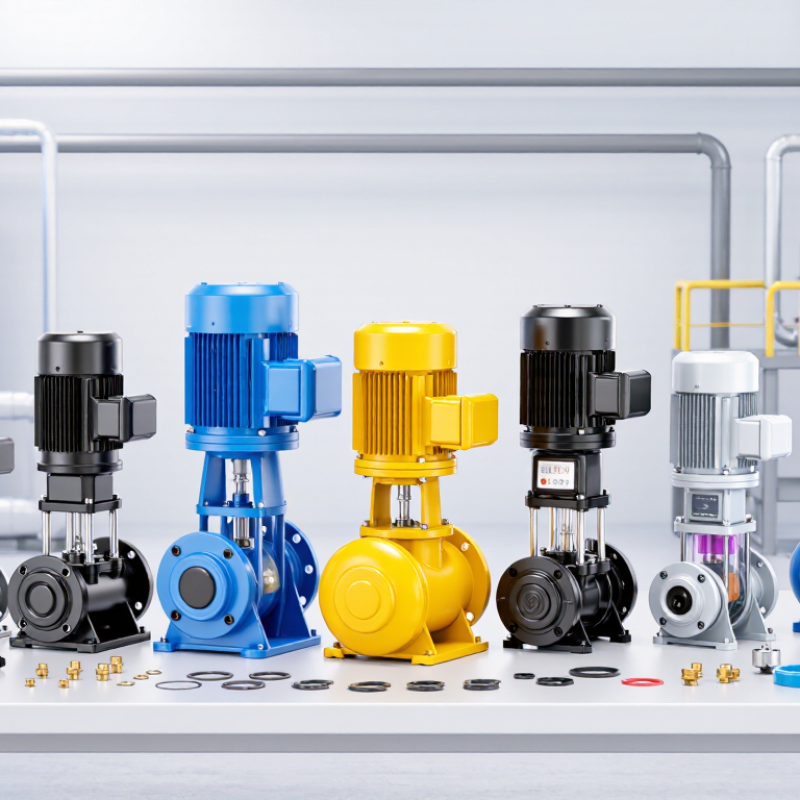
Choosing chemical feed pump suppliers requires more than comparing prices. Field experience, material knowledge, and service reliability matter equally. The first supplier specializes in solenoid metering pumps for low-flow dosing. The second focuses on motor-driven diaphragm pumps for continuous industrial service. The third offers corrosion-resistant pumps with PVDF heads and ceramic components. The fourth designs compact units for laboratory and small treatment systems.
The fifth supplier is known for skid-mounted dosing packages and clear installation drawings. The sixth supports high-pressure applications with reinforced diaphragm technology. The seventh provides peristaltic pumps for fluids containing suspended particles. The eighth concentrates on intelligent controllers, flow feedback, and remote alarms. The ninth supplies air-operated double-diaphragm equipment for flexible chemical transfer. The tenth develops custom pumps for unusual viscosity, temperature, or flow requirements.
Real purchasing work exposes differences quickly. Ask for pump curves, wet-end material data, calibration records, and spare-part lead times. A supplier may claim excellent accuracy, yet actual performance can change with temperature and chemical concentration. That detail is easy to overlook. Inspectors should also review factory testing and after-sales response procedures. One weakness remains common: some technical documents omit pulsation behavior under changing pressure. Global buyers should request application trials before approval, especially when the pump feeds chlorine-based solutions, acids, or alkaline chemicals. A careful trial often reveals installation problems earlier than a polished sales presentation.
The entries below describe supplier types and established pump technologies, not ranked or named companies. Actual capabilities, materials, certifications, and service coverage vary by supplier and model.
| Supplier Type | Typical Pump Technology | Core Strengths | Common Applications | Key Evaluation Points |
|---|---|---|---|---|
| Precision metering pump specialists | Mechanically actuated diaphragm or plunger metering pumps | Controlled chemical dosing, adjustable output, and options for integrating flow or pressure monitoring | Water treatment, process dosing, and chemical injection | Required flow range, turndown, discharge pressure, and calibration method |
| Solenoid diaphragm pump suppliers | Electromagnetic diaphragm metering pumps | Compact designs, straightforward electronic control, and suitability for intermittent or low-flow dosing | Water treatment, laboratory systems, and small dosing packages | Maximum pressure and flow, control signal compatibility, and chemical-wetted materials |
| Hydraulic diaphragm pump suppliers | Hydraulically actuated diaphragm metering pumps | Isolation of process liquid from the drive mechanism; designs are available for demanding pressure and containment requirements | High-pressure chemical injection and industrial process dosing | Pressure rating, diaphragm monitoring options, pulsation control, and applicable standards |
| Plunger metering pump suppliers | Reciprocating plunger pumps | Can deliver precise, high-pressure flow; suitable where the process fluid and sealing arrangement are compatible | Industrial injection and transfer of compatible liquids | Leakage containment, seal selection, fluid abrasiveness, and maintenance access |
| Peristaltic pump suppliers | Hose or tube peristaltic pumps | Fluid contacts the tubing or hose rather than a complex pump chamber; useful for some viscous or particle-bearing fluids | Slurries, viscous chemicals, and applications needing a simple fluid path | Hose compatibility, pressure and temperature limits, and replacement interval |
| Magnetic-drive centrifugal pump suppliers | Sealless magnetic-drive centrifugal pumps | Eliminates a conventional dynamic shaft seal, reducing one potential leakage path in compatible services | Continuous transfer of compatible, relatively low-viscosity chemicals | Minimum flow, dry-running sensitivity, temperature limits, and materials compatibility |
| Chemical process pump suppliers | End-suction or other centrifugal process pump designs | Broad flow range and established configurations for continuous-duty process service | Chemical transfer, circulation, and plant utility duties | Hydraulic operating point, seal plan, corrosion allowance, and relevant design standard |
| Vertical sump pump suppliers | Vertical cantilever or vertical sump pumps | Can be configured to draw from tanks or pits, with the hydraulic end positioned below the mounting plate | Chemical sumps, process pits, and tank drainage | Sump depth, solids handling, immersion length, and corrosion-resistant construction |
| Dosing package and skid integrators | Metering pumps assembled with tanks, piping, instruments, and controls | Provides a coordinated package that can simplify installation and interface planning | Water and wastewater treatment, industrial dosing, and packaged process systems | Scope boundaries, instrumentation, electrical requirements, documentation, and commissioning support |
| Custom-engineering pump suppliers | Application-specific combinations of metering or process pump designs | Can address unusual fluid properties, installation constraints, materials, or control requirements | Specialty chemicals and non-standard process conditions | Engineering validation, test documentation, spare-parts availability, and regional service capability |
Technology, service, and global reach separate chemical feed pump suppliers more clearly than price. The U.S. Department of Energy estimates pumping systems may consume 25–50% of industrial facility electricity. That makes motor efficiency, accurate dosing, and leak prevention commercial priorities. Metering accuracy also depends on diaphragm design, stroke control, material compatibility, and calibration stability. Digital monitoring helps, but it cannot fix poor installation.
Selecting a chemical feed pump supplier requires more than comparing prices and flow rates. Buyers should verify how the supplier performs after installation. Request technical datasheets, material compatibility charts, calibration records, and documented testing procedures. Ask whether the pump handles your chemical concentration, temperature, viscosity, and operating pressure.
Look for practical evidence. A reliable supplier can provide installation drawings, maintenance schedules, spare parts lists, and clear warranty terms. During a factory audit or video inspection, check assembly areas, test equipment, packaging, and quality records. Speak with customers using similar pumps in comparable industries. Their experience may reveal response times that sales documents omit. Small details matter.
Long-term support should be written into the purchasing agreement. Confirm service hours, emergency contact methods, training options, and replacement-part availability. Ask how quickly the supplier investigates unstable dosing or diaphragm wear. A supplier with qualified engineers should explain root causes, not only sell replacement parts. However, no supplier is perfect. Delayed replies, unclear documents, or inconsistent test results deserve careful attention. I would record every promise and compare it with delivered evidence. A lower initial price can become expensive when one seal takes weeks to replace. Review performance after commissioning, because early assumptions sometimes prove wrong. Periodic supplier reviews, supported by maintenance data and operator feedback, help buyers decide whether the partnership remains dependable.