What Is Chemical Injection and How Does It Work?

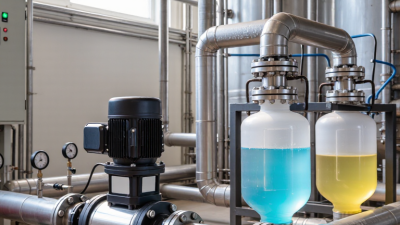
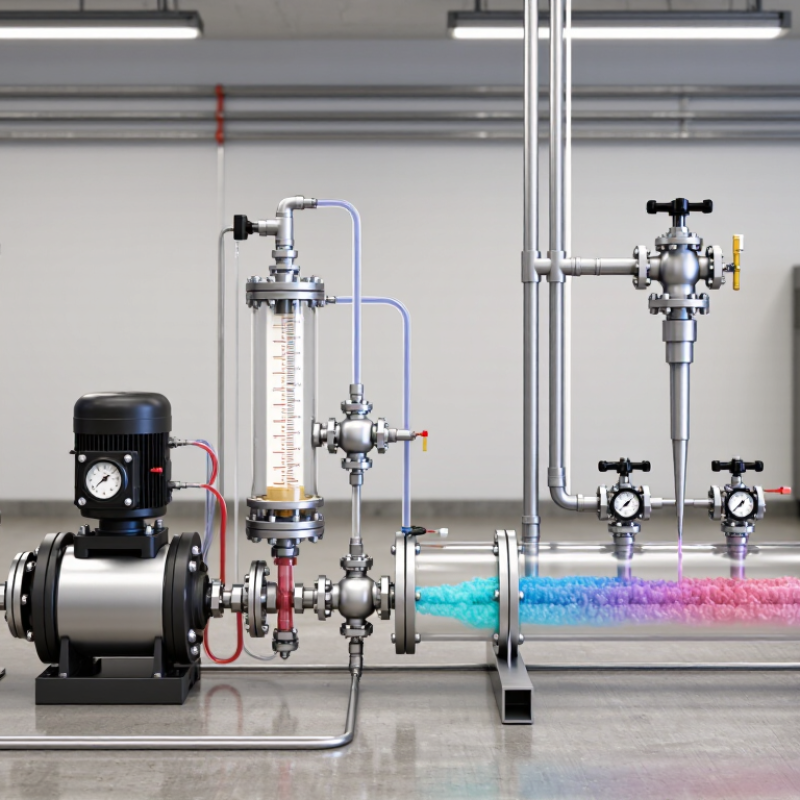
Chemical injection is a controlled method for adding a measured chemical into a flowing process stream. It supports corrosion control, scale prevention, pH adjustment, filtration, and equipment protection. A typical system includes a storage tank, metering pump, calibration cylinder, tubing, check valve, and injection quill. Each component has a practical role.

The pump delivers a selected volume at a controlled rate. The injection quill then introduces the chemical into the pipeline or vessel. Turbulence helps distribute it through the process fluid. Sensors may monitor pressure, flow, temperature, or chemical concentration. Operators compare these readings with the dosing plan. Small changes can matter.

Trevor Kletz, a respected industrial safety expert, is often quoted: “If you think safety is expensive, try ignorance.” His warning fits chemical injection closely. Correct dosing protects assets, workers, and process quality. Excess dosing can increase cost, waste, and environmental risk. Insufficient dosing may allow corrosion or scale to develop inside hidden pipe sections.

In field work, reliable results depend on more than pump capacity. Engineers must check chemical compatibility, pressure limits, line velocity, mixing conditions, and maintenance access. They should also verify calibration under actual operating conditions. A system can look precise while delivering an inaccurate dose. That uncomfortable possibility deserves attention.

This guide explains what chemical injection means and how it works. It follows the chemical from storage to the process line. It also examines controls, safety practices, common equipment, and practical limitations. The method is straightforward in principle. Real performance requires disciplined design and continuous review.
What Is Chemical Injection and How Does It Work?

Chemical Injection: Definition, Purpose, and Core Principles

Chemical injection is the controlled delivery of chemicals into a process stream, pipeline, well, or treatment system. Its purpose is practical: prevent corrosion, control scale, reduce foam, separate water, or maintain flow. A metering pump adds a measured dose at a selected injection point. Sensors, flow data, and laboratory tests help operators adjust the rate.

The core principle is compatibility. The chemical must match the fluid, temperature, pressure, and metallurgy. Too little treatment can leave deposits or corrosion active. Too much may increase cost, create waste, or disturb downstream treatment. The NACE IMPACT study estimated that global corrosion costs reached about US$2.5 trillion annually, equal to roughly 3.4% of global GDP. This figure shows why injection programs deserve engineering control, not guesswork. The 2024 International Energy Agency Global Methane Tracker also estimated 120 million tonnes of methane emissions from fossil fuel operations in 2023. Chemical treatment cannot solve methane leakage alone, but stable flow and fewer process disruptions can support better monitoring.

Tips: Establish a baseline before dosing. Record pressure, temperature, flow, iron content, and deposit levels. Calibrate pumps regularly. Sample from the actual process line, not only the storage tank. Review results with corrosion and process specialists. A perfect dose is a myth. Field conditions change, and even a sound laboratory result may fail at scale. Injection design should therefore include alarms, secondary containment, and a documented response plan. Industry guidance from API and AMPP supports risk-based inspection, but site-specific verification remains essential.

Key Components of a Chemical Injection System

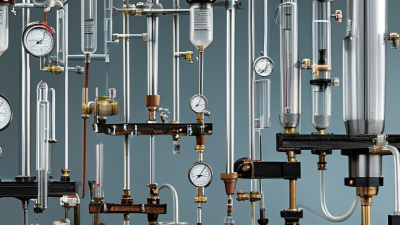
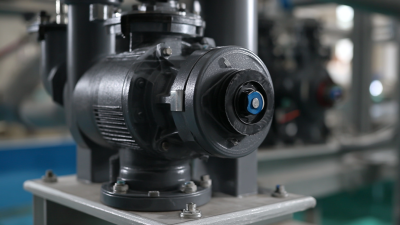
Chemical injection systems deliver controlled doses of treatment chemicals into pipelines, vessels, or water systems. Their key components work as one chain. A storage tank holds the chemical, while a metering pump creates the required flow. Injection quills place the chemical into the process stream. Check valves prevent backflow. Calibration columns verify the actual dose, not the pump’s displayed setting.

Reliable systems also need strainers, pressure gauges, pulsation dampeners, tubing, and automated controls. Sensors can track flow, pressure, pH, or corrosion indicators. Field technicians often discover small problems first. A blocked quill may look like a pump failure. A leaking connection can dilute the treatment. Small details matter.

The NACE IMPACT study estimated global corrosion costs at about $2.5 trillion annually, equal to roughly 3.4% of global GDP. That figure explains why corrosion inhibitors remain important in production and processing facilities. However, more chemical is not automatically better. Overdosing can increase operating costs, create disposal challenges, and upset downstream treatment. The International Energy Agency reported approximately 120 million tonnes of methane emissions from oil and gas operations in 2023. Proper chemical distribution cannot solve every methane leak, but sound maintenance can reduce failures around valves, seals, and equipment. A practical design should include secondary containment, accessible sampling points, and alarm limits. Perfect dosing is rarely real. Continuous verification is better.

How the Chemical Injection Process Works Step by Step

Chemical injection introduces a measured chemical into water, fuel, or another process stream. It may control corrosion, adjust pH, remove deposits, or support disinfection. The system usually includes a storage tank, metering pump, injection point, valves, and monitoring instruments. Proper design depends on fluid chemistry, flow rate, temperature, and operating pressure.

The process starts with a site assessment and a review of safety data. A qualified technician selects a compatible chemical and calculates the required dosing rate. The pump is connected to the tank and injection line, with safeguards against backflow. After installation, the operator checks leaks, primes the pump, and calibrates its output. Sampling then confirms whether the treatment is working. Readings may show that the original setting needs adjustment. That is normal. Field conditions rarely match calculations perfectly. Continuous records help technicians identify changes before they become expensive problems.

Tips: Keep chemical containers labeled and secured. Inspect tubing, seals, and valves regularly. Never mix chemicals without verified compatibility. Use protective equipment and follow approved procedures. Check pH, concentration, and flow at planned intervals. A small calibration error can affect an entire process. It is easy to trust a formula too much, especially when equipment appears stable. Good operators compare instrument readings with physical observations, maintenance records, and laboratory results.

Common Chemicals and Their Industrial Applications

What Is Chemical Injection and How Does It Work?
Common Chemicals and Their Industrial Applications

Chemical injection is the controlled dosing of a liquid chemical into a process stream. A metering pump draws chemical from a storage tank. It then delivers a measured volume through a small injection quill. Flow rate, pressure, temperature, and pH determine the correct dose. In operating plants, technicians check calibration and sample the process fluid. Small errors can create large problems.

Corrosion inhibitors protect carbon-steel pipelines, boilers, and storage vessels. The NACE IMPACT study estimated that corrosion costs about 3.4% of global gross domestic product. Scale inhibitors prevent mineral deposits in cooling systems, desalination units, and oilfield water lines. Biocides control microbial growth in cooling towers and wastewater systems. Coagulants and flocculants help suspended particles form removable solids. This matters because the United Nations World Water Development Report estimated that over 80% of global wastewater was discharged without treatment.

Oxygen scavengers reduce dissolved oxygen in boiler feedwater. Demulsifiers separate water from crude oil during processing. Antifoams control unstable foam in fermentation, pulp production, and wastewater tanks. Each application needs site-specific testing. A chemical that works in one pipeline may fail in another. The weak point is often poor monitoring. Excess dosing wastes money and may disturb downstream treatment. Under-dosing is quieter, but corrosion or scaling can remain hidden for months. Better practice combines automatic controls with laboratory verification and operator judgment.

Safety, Monitoring, and Maintenance Requirements

What Is Chemical Injection and How Does It Work?

Safety, Monitoring, and Maintenance Requirements

Chemical injection systems deliver controlled doses into water, fuel, or process lines. A pump moves the chemical through tubing, valves, and an injection point. The dosage must match flow conditions and treatment goals. Too little chemical may reduce protection. Too much can damage equipment or create unsafe exposure.

Safety begins with a current safety data sheet, suitable gloves, eye protection, and clear labeling. Operators should inspect connections before starting the pump. Small stains, swelling tubes, or unusual odors deserve immediate attention. Emergency showers and spill controls should remain accessible. Never rely on memory alone. Written procedures and task-specific training reduce avoidable mistakes.

Monitoring requires regular checks of pump rate, tank level, pressure, and injection-point condition. Flow meters and alarms should be tested, not merely trusted. Calibration records help reveal gradual dosing errors. Maintenance teams should clean strainers, inspect diaphragms, tighten fittings, and replace worn tubing according to service conditions. Corrosive chemicals may shorten component life unexpectedly. A clean log does not prove a clean system. Compare readings with field observations and laboratory results when possible. Technicians sometimes record normal values while missing a pulsing pump or blocked injection quill. That gap deserves honest review. Shutdowns, chemical changes, and unusual pressure trends should trigger a documented inspection before normal operation resumes.

What Is Chemical Injection and How Does It Work?

Safety, Monitoring, and Maintenance Requirements

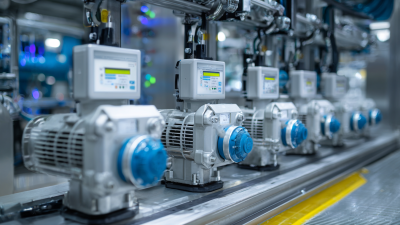
Chemical injection systems use metering pumps to deliver controlled quantities of treatment chemicals into a process stream. The representative operating values below show typical injection-rate ranges for common water-treatment services in a medium-sized industrial system. Actual settings must be confirmed through process design, chemical compatibility reviews, calibration, pressure checks, leak inspections, and the applicable safety data sheet.

Operators should verify pump output, discharge pressure, tank level, injection-point condition, and alarms routinely. Chemical-resistant personal protective equipment, secondary containment, ventilation, and documented maintenance procedures are essential.