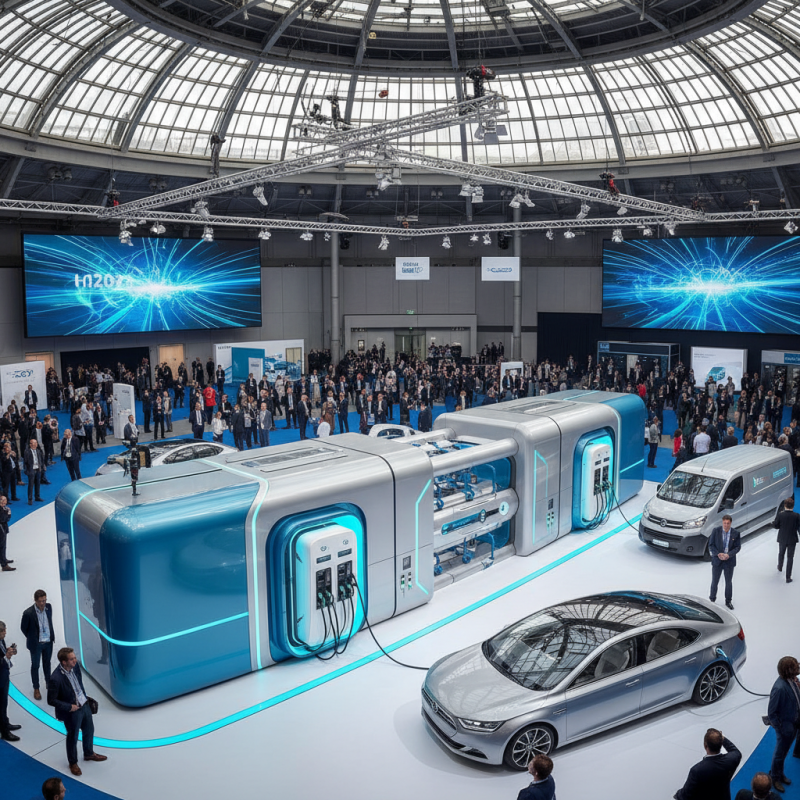
The 2026 Canton Fair promises to be a pivotal event, especially for the burgeoning hydrogen economy. As global focus intensifies on sustainable energy, the showcase of the Hydrogen Refueling Station is particularly noteworthy. This fair will feature cutting-edge technologies and innovations in various sectors, including advanced manufacturing and new materials.
During the event, attendees can expect to see advancements in hydrogen refueling technology. These stations are vital for promoting hydrogen fuel cell vehicles. However, the current infrastructure still has limitations, such as accessibility and user awareness. It will be essential for industry leaders to address these gaps.
AI-enabled features at the fair will enhance the experience. Attendees can easily locate suppliers meeting specific certifications like ISO or CE. This efficiency is crucial for promoting new technologies. Yet, there is a need for reflection on how well the industry adapts to these innovations. The fair provides an excellent platform to explore the future of hydrogen refueling stations and their role in a sustainable world.
China has positioned itself as a leader in hydrogen refueling station development. The nation's investments in clean energy infrastructure are increasing rapidly. As the demand for hydrogen fuel grows, so does the urgency to enhance refueling capabilities. Various regions are constructing modern facilities to accommodate this shift.
However, challenges remain. Many stations struggle with consistent hydrogen supply and distribution. Technical issues can lead to downtime, frustrating users. The technology is still evolving, with some systems outdated. Moreover, the public awareness of hydrogen fuel stations is low, which limits consumer adoption. This discrepancy raises questions about future growth and sustainability.
Observing international models could provide insights. Countries with advanced hydrogen networks offer valuable lessons. They have established effective training and maintenance protocols. China can learn from these experiences to refine its strategies. Embracing innovative approaches may contribute to a more robust hydrogen ecosystem.
Hydrogen refueling technologies are becoming crucial as the world transitions to cleaner energy. In 2022, global hydrogen production reached 90 million metric tons. However, the current refueling infrastructure struggles to keep pace with the growing demand for hydrogen fuel cell vehicles. A report from the International Energy Agency predicts a need for around 10,000 hydrogen stations worldwide by 2030 to support market growth.
The technology behind hydrogen refueling has advanced significantly. Compressors, dispensers, and storage systems have improved, yet challenges remain. Many stations offer only limited refueling capacity. This limits the number of vehicles that can be refueled simultaneously. In some regions, stations may take far too long to install, delaying the rollout of hydrogen fuel technology.
Safety is another concern in hydrogen refueling. Hydrogen is highly flammable, and precautions must be stringent. Training personnel adequately is essential, but it often falls short. As we see technology evolve, the industry must emphasize safety alongside innovation. Maintaining high standards may prove difficult, but it is necessary for public trust in the hydrogen economy.
The 2026 Fair promises to be a landmark event showcasing advancements in hydrogen technology. This year, attendees will witness innovative hydrogen refueling stations. These stations are designed for efficiency and sustainability. Their layouts prioritize accessibility and speed, encouraging broader adoption.
Major exhibitors will present their latest technologies. From compact designs to large-scale systems, there's something for everyone. Interactive displays will allow visitors to explore the workings of these stations. Some prototypes may face challenges in implementation, highlighting the need for improvement. Questions about infrastructure integration also arise.
Networking opportunities abound. Industry leaders will gather to discuss future trends and solutions. Collaboration is vital to overcome existing hurdles. This fair is not just about showcasing; it’s about thinking critically. The future of hydrogen fuel relies on constant innovation and reflection.
| Refueling Station Type | Location | Hydrogen Production Method | Daily Refueling Capacity (kg) | Year of Establishment |
|---|---|---|---|---|
| Station Type A | Beijing | Electrolysis | 500 | 2023 |
| Station Type B | Shanghai | Steam Methane Reforming | 750 | 2021 |
| Station Type C | Guangzhou | Biomass Gasification | 300 | 2022 |
| Station Type D | Shenzhen | Water Reforming | 600 | 2020 |
| Station Type E | Hangzhou | Renewable Sources | 1200 | 2019 |
China is set to showcase innovative hydrogen refueling stations at the 2026 Fair. These stations aim to transform the hydrogen landscape. One striking feature is their rapid refueling capability. Vehicles can be refueled in under 10 minutes. This convenience could attract more drivers to switch to hydrogen.
The design of these stations is not just functional, but visually striking. Sleek lines and modern materials create an inviting atmosphere. However, challenges exist. The infrastructure needs significant investment. Many areas still lack adequate supply. Additionally, safety concerns must be addressed thoroughly. Robust protocols are essential to ensure public confidence.
Furthermore, the integration with renewable energy is a vital aspect. Solar panels are often included to power the stations. This self-sustaining approach is commendable but requires more research. Balancing efficiency and safety will be necessary. As the hydrogen economy evolves, so must the strategies to overcome these hurdles.
The future of hydrogen infrastructure looks promising yet complex. With a growing emphasis on sustainability, more nations are investing in hydrogen refueling stations. These stations will play a critical role in reducing carbon footprints. However, questions remain about their efficiency and accessibility.
In 2026, a significant fair will showcase innovations in hydrogen technology. It's crucial to highlight not just advancements but also challenges. Are we prepared for the demand? Is the infrastructure ready? Local communities must adapt to new technologies while addressing potential inefficiencies.
Visualizing busy refueling stations is exciting. Yet, what if these stations cannot meet user demands? Future planners need to anticipate possible roadblocks. Sustainable practices must align with practical execution. The path to a hydrogen economy is not just about capabilities; it's about making it work for everyone.
This chart displays the projected growth of hydrogen refueling stations from 2020 to 2026. As the demand for sustainable energy solutions increases, investments in hydrogen infrastructure are set to rise significantly.