
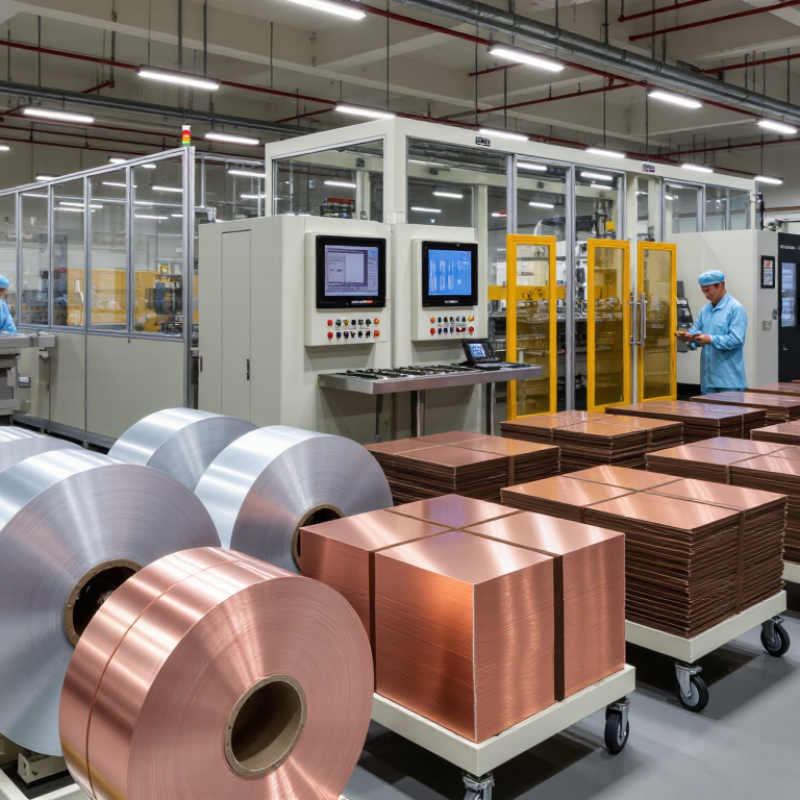
When comparing China’s top ten circuit board material manufacturers, evaluate the material science behind their products. Circuit board materials form the electrical and structural foundation of every printed circuit board. They include laminate, copper foil, solder mask, surface finish, and bonding layers. Laminate commonly combines woven glass fiber with resin, creating a stable insulating sheet. Its glass-transition temperature, dielectric constant, and moisture resistance influence real performance. Small errors become expensive.
For high-speed designs, material loss and signal impedance deserve close attention. Unsuitable dielectric behavior can distort fast signals or increase crosstalk. Thermal expansion matters too, especially when dense assemblies face repeated heating during soldering and operation.
Copper adhesion, thickness tolerance, and drilling quality also affect reliability. A 1.6 mm board may look ordinary, yet its layer stack can determine routing space, heat flow, and mechanical strength. Reliable manufacturers should provide traceable test data, controlled production records, and clear material certificates. That evidence matters more than a polished sales page.
Choosing among leading Chinese manufacturers requires matching material capability to the application, not simply comparing factory size. Ask about high-Tg laminates, low-loss options, thermal substrates, and consistent resin content. Request samples from the intended stack-up. Then inspect warpage, drilling, solderability, and dimensional stability. A datasheet may show excellent numbers, but production variation can tell a different story. I would also question assumptions about standard FR-4, because resin systems and glass styles can vary widely. This review can prevent redesigns, field failures, and avoidable procurement pressure.