Choosing the right pump accessories can significantly enhance your system's efficiency and reliability. According to industry expert John Smith, “The right accessories can make or break your pump performance.” His insight underscores the importance of careful selection in this specialized field.
Pump accessories vary widely, from hoses and filters to fittings and pressure gauges. Each component plays a crucial role in ensuring optimal functionality. Choosing the best accessories involves assessing your specific requirements. Factors include the fluid type, pump capacity, and the operating environment. Picking the wrong accessories can lead to performance issues or even equipment failure.
It’s important to recognize that not all accessories are created equal. Quality, suitability, and compatibility matter greatly. Users may find that cheaper options do not provide the durability needed in high-demand situations. Investing in quality pump accessories is a decision that reflects on long-term system performance. Thoughtful consideration in this selection process can prevent costly downtime and enhance operational success.
When selecting pump accessories, understanding your pump system requirements is crucial.
This knowledge helps ensure optimal performance and longevity.
A recent industry report indicates that nearly 70% of pump failures stem from improper accessory selection.
Therefore, evaluating your specific needs is essential.
Tip: Always assess the fluid being pumped.
The viscosity, temperature, and chemical properties affect accessory compatibility.
For instance, using rubber seals with aggressive chemicals can lead to premature failure.
Consider materials that can withstand your specific conditions.
Pump accessories, such as pipes, fittings, and valves, must match your system's specifications.
Incorrect sizing can lead to inefficiencies. An estimated 30% of operational costs are linked to energy waste
due to mismatched components. Regularly review your system requirements and adjust accessories accordingly.
Tip: Consult with professionals when in doubt.
Their expertise can guide your selections. They often have insight into industry trends and best practices.
Balancing cost with performance is vital; sometimes, investing
in high-quality accessories pays off in the long run.
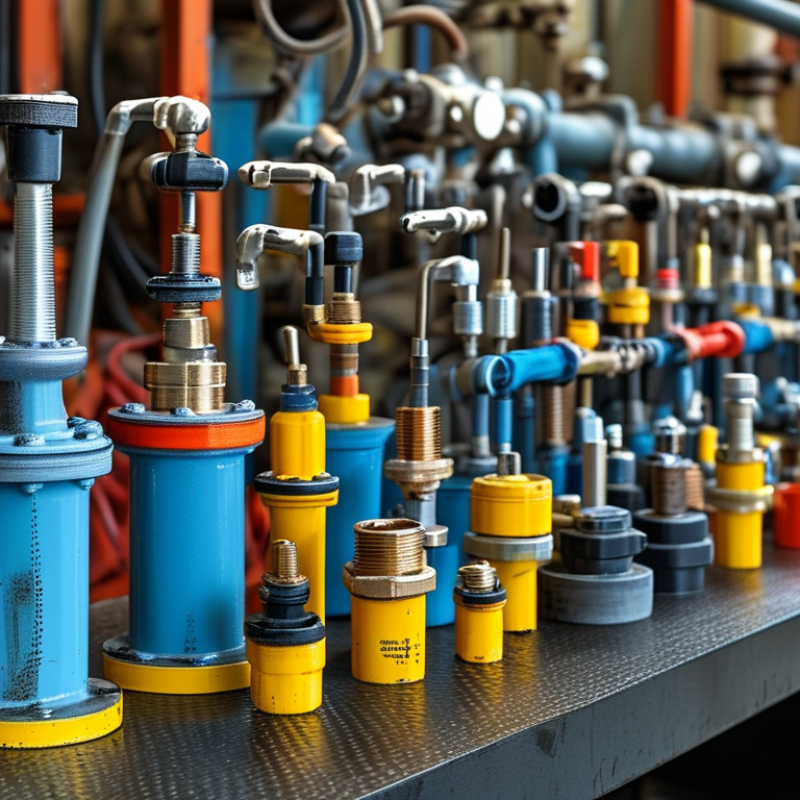
When selecting pump accessories, it's essential to understand the types available. Various accessories are designed to enhance pump performance and efficiency. For example, pressure gauges help monitor fluid pressure in the system. This ensures optimal operation and safety during use. Filters are another vital accessory, preventing contaminants from entering the pump, which can cause damage over time.
Hoses and fittings also play a crucial role. They need to be compatible with your pump type and handle the required fluid pressure. Choosing the wrong size can lead to leaks and inefficiencies. Valves are equally important. They control the flow and direction of liquids, ensuring your pump operates as intended.
Think about your specific needs when choosing these accessories. A common mistake is overlooking compatibility issues. Consider the environment where the pump operates. Some settings demand more robust materials to withstand harsh conditions. Reflect on how each accessory can impact overall performance. Understanding the options available enhances decision-making.
This chart illustrates the different types of pump accessories and their usage percentages based on common applications in various industries.
Selecting the right pump accessories is essential for optimal performance. When evaluating your options, consider the operational environment. For instance, a high-temperature setting requires heat-resistant materials. According to a recent industry report, nearly 30% of pump failures result from incompatible accessory choices. Understanding your specific application can greatly reduce this risk.
Durability is another critical factor. Accessories should be made of high-quality materials to ensure longevity. Reports indicate that pumps equipped with reliable accessories last up to 20% longer than those with subpar components. Additionally, it’s vital to assess the compatibility of accessories with your existing system. Over 40% of users have faced performance issues due to mismatched components. This underlines the importance of careful selection.
Budget constraints often come into play. While cheap accessories may save money initially, they can lead to higher maintenance costs. A comprehensive study showed that investing in quality can lower long-term operational expenses by 15%. Therefore, it’s essential to balance upfront costs with overall reliability and performance. Understanding these factors will guide you in making informed decisions for your pump accessories.
When selecting
pump accessories, it’s crucial to align them with the specific type of
pump in use. Different pumps serve various functions, such as transferring liquids, creating pressure, or moving chemicals. Each of these applications demands unique accessories for
optimal performance. For instance, a submersible pump might require a specific type of float switch that could be different from what a centrifugal pump would need. Choosing the right accessory not only enhances
functionality but also prolongs the pump's lifespan.
Understanding the compatibility between the pump and its accessories is vital. Some accessories might seem universally applicable, but that’s not always true. For example, hoses and connectors made of certain materials can degrade or corrode with specific liquids. This can lead to
leaks or pump failures. In practice, it’s essential to research and consult reliable resources. There’s always a chance that the information found might not apply universally. So,
double-checking for compatibility is a wise approach. Testing smaller batches or conducting performance trials can provide insights into the best matches for your specific needs, ensuring you’re making an informed decision.
When selecting pump accessories, the focus should be on maintenance and compatibility. Regular maintenance ensures the longevity of your pump system. This includes checking seals, hoses, and filters frequently. A small leak or cracked hose can lead to bigger issues.
Compatibility is crucial when choosing accessories. Ensure that the attachments fit your specific pump model. Mismatched parts can cause inefficiencies or even damage. Double-checking specifications can save you time and money in the long run.
Tips: Always consult the manufacturer's guidelines for maintenance schedules. Use compatible materials to enhance efficiency. Keep a logbook of your maintenance activities. Reflect on your experience. If you notice consistent issues, it may indicate a need for a different accessory type. Consider investing in training for your team to deepen understanding. This can alleviate future problems.