Why Choose the Right Metering Pump Types for Your Needs?

Choosing the right metering pump types is crucial for various industries. According to a recent report by MarketsandMarkets, the global metering pump market is expected to reach $5.68 billion by 2025. This growth reflects the increasing demand for precise fluid handling solutions. Selecting the correct type can greatly influence operational efficiency and cost-effectiveness.

Industry expert Dr. Emily Reynolds, a respected authority on metering technologies, stated, “Understanding the specific application needs is key when selecting these pumps.” Her insights emphasize that not all metering pump types are suitable for every application. For instance, some industries require pumps that handle corrosive fluids, while others need ones that manage high-pressure systems.

Making an informed choice involves understanding the intricacies of each pump type. It's important to assess elements like flow rate, pressure, and chemical compatibility. Many companies overlook these details, leading to operational setbacks. Reflecting on one's specific needs can prevent costly errors and enhance performance in fluid management systems.

Why Choose the Right Metering Pump Types for Your Needs?

Understanding the Basics of Metering Pumps and Their Applications

Metering pumps play a crucial role in various industries, from chemical processing to water treatment. These pumps are designed to deliver precise amounts of fluid continuously or at intervals. In fact, research shows that metering pumps can achieve accuracy levels of ±1% or better, making them ideal for applications that require precise dosing.

Understanding different types of metering pumps is essential for effective application. Positive displacement pumps, for example, are often used in chemical injection. They provide a consistent flow rate regardless of pressure changes. Conversely, peristaltic pumps are suitable for delicate fluids, as they do not shear the fluid. Each type has unique attributes that can impact overall system performance.

Choosing the right pump involves evaluating specific needs. Factors include fluid viscosity, required flow rate, and pressure conditions. According to industry reports, improper pump selection can lead to inefficiencies, causing up to 30% increase in operational costs. Awareness of these elements can significantly enhance productivity and reduce waste. However, many companies neglect these principles, leading to increased downtime and frustration.
Types of Metering Pumps: An Overview of Common Varieties

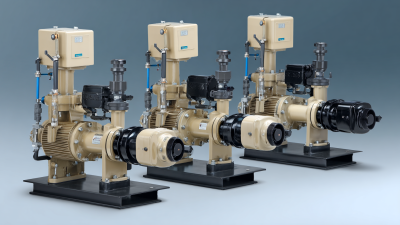
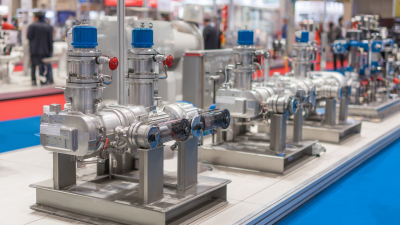
Choosing the right metering pump is critical for various industries. Different types of metering pumps can serve unique purposes. For instance, diaphragm pumps are popular for their reliability. They can handle a broad range of liquids, including corrosive and viscous fluids. These pumps are known for their accuracy and minimal maintenance requirements.

Another common type is the gear pump. It functions well for high-pressure applications. Gear pumps provide a continuous flow and are often used in oil and chemical processing. Though they can be effective, their design may complicate cleaning and maintenance. Operators should be aware of these factors when selecting.

Peristaltic pumps are also worth considering. They are known for their gentle handling of fluids. This makes them suitable for sensitive applications, such as in the pharmaceutical industry. However, the wear on the tubing can lead to increased costs over time. Each pump type has its strengths and weaknesses. Understanding these aspects helps in making an informed decision. Choose wisely for the best results in your projects.

Factors to Consider When Choosing a Metering Pump

When selecting a metering pump, several key factors come into play. Understanding the fluid being pumped is essential. Consider its viscosity, temperature, and chemical compatibility. Different pumps handle various fluids differently. For instance, highly viscous fluids may require a specific type of pump designed for thicker materials.

Operating conditions also matter. Determine the required flow rate and pressure for your application. It’s crucial to match these parameters to the pump’s specifications. An underperforming pump can lead to inefficiencies. Regular testing of performance is necessary to ensure the pump meets operational needs.

**Tips:** Assess the installation space. Some pumps need more room than others, impacting your layout. Check energy consumption as well—efficient pumps can save costs over time. Don’t overlook the importance of maintenance schedules. Neglecting routine checks can lead to pump failure and costly repairs. Considerations such as these can guide your choice, ultimately improving performance and reliability.

Why Choose the Right Metering Pump Types for Your Needs?

The Role of Flow Rate and Pressure in Pump Selection

When selecting a metering pump, understanding flow rate and pressure is crucial. Flow rate refers to the volume of fluid a pump can move in a given time frame. According to a recent industry report, accurately determining the flow rate can significantly improve operational efficiency. For example, a study indicated that pumps operating at optimal flow rates increase system reliability by up to 40%.

Pressure, on the other hand, dictates how effectively the pump can deliver fluid against resistance. Choosing a pump that matches the required pressure is essential. Incorrect pressure settings can lead to system failures or inefficient operations. For instance, underestimating pressure needs can result in decreased flow and potential damage to the pump.

When evaluating these factors, consider application specifics. Calibration is not always straightforward. Even small discrepancies in either flow rate or pressure can affect performance. A common error lies in overlooking system backpressure, which can skew flow measurements. Each application demands careful analysis to ensure the chosen metering pump aligns with operational requirements.

Maintenance and Reliability: Ensuring Optimal Pump Performance

Why Choose the Right Metering Pump Types for Your Needs?

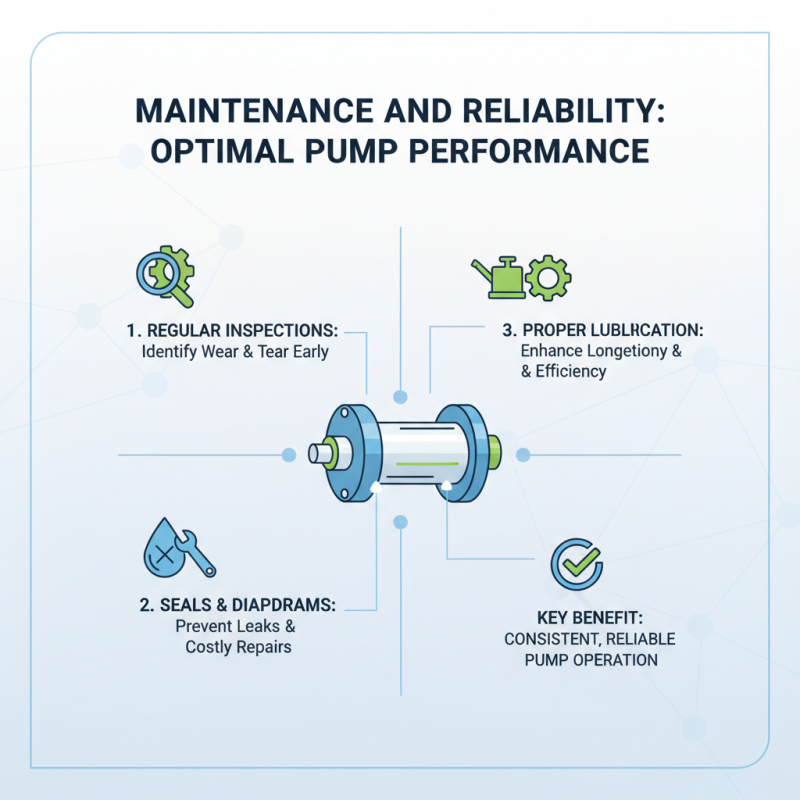
Maintaining metering pumps is crucial for achieving optimal performance. Regular inspections help identify wear and tear before problems escalate. A meticulous check on seals and diaphragms can prevent major leaks, which often lead to costly repairs. Proper lubrication of moving parts enhances longevity and efficiency.

Focus on the pump's operation history. Tracking performance over time reveals patterns. Are there fluctuations in delivery rates? This often signals a need for immediate attention. Operators should foster an environment that encourages feedback on pump performance. Misalignment or clogging could manifest through unusual noises or vibrations. Addressing these issues swiftly can save significant downtime.

It’s important to recognize that not every pump is foolproof. Variations in fluid properties can impact performance. Regular adjustments based on the fluid's behavior are essential. Operators must be vigilant and ready to adapt their maintenance schedules. Continuous learning and adaptation are vital to ensure reliability in metering pump operation.