
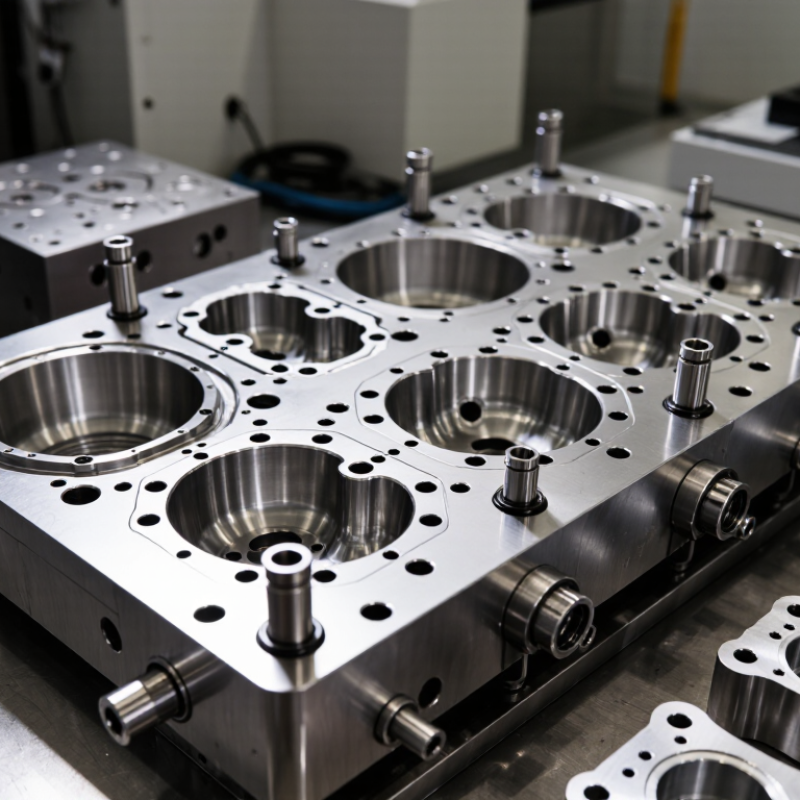
Before selecting an aluminum die cast mold, define the part’s job in practical terms.
Identify its load, operating temperature, surface exposure, and connection points. A housing near a motor may need tighter flatness than a decorative cover. Small differences matter.
Record the alloy, target wall thickness, draft angles, critical dimensions, and acceptable porosity level. Include machining allowances and areas requiring threads or inserts. I have seen projects lose time because a “noncritical” hole became an assembly reference. That mistake was avoidable. Keep a clear drawing revision and inspection method. Coordinate measuring machines, gauges, or section tests may be appropriate for different features.
Production objectives shape the mold more than many teams expect. State the annual volume, required cycle time, launch date, and expected mold life. High output may justify multiple cavities, automated extraction, or stronger cooling channels. Lower volume may favor simpler tooling with easier maintenance. Be realistic about tolerance targets. My early estimates were too optimistic. Mold filling simulation can reveal air traps, shrinkage risks, and difficult gate locations before steel is cut. Still, simulation is not a substitute for experienced process review. Ask how the part will be trimmed, inspected, repaired, and changed later. Plan for reality.