Choosing the right chemical feed systems is crucial for efficient operations in various industries. A recent report from the American Chemical Society highlights that improper chemical feed can lead to a 30% increase in operational costs. This underscores the importance of selecting suitable systems tailored to specific needs.
Incorporating the right technology could enhance precision and reduce waste significantly. According to a study by the International Water Association, optimized chemical feed systems can improve treatment efficiency by 25%. However, many organizations still struggle with outdated systems that do not meet current operational demands. The industry faces challenges, such as fluctuating raw material quality and regulatory pressures.
Decision-makers must weigh options carefully. There’s a risk of overspending on features that may not enhance efficiency. Understanding the application and operational environment is vital. Investing time in research and consultation with experts can lead to better decisions. Reliable data and expert opinions can greatly improve the selection process, making it essential to utilize trusted sources in this field.
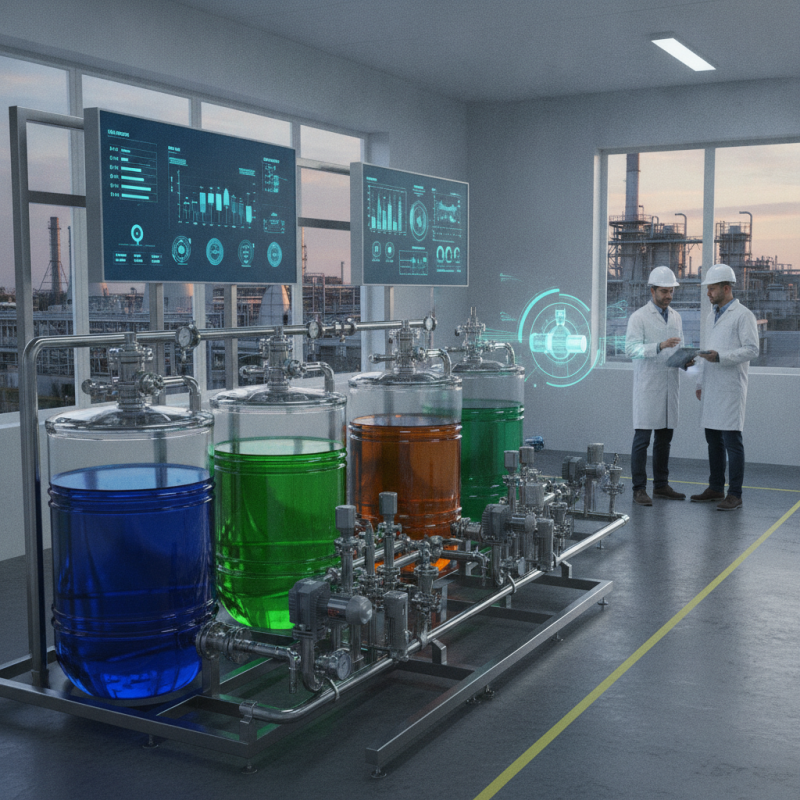
Chemical feed systems play a crucial role in various industries, including water treatment and chemical processing. Understanding these systems is essential for ensuring safe and efficient operations. According to a recent industry report, improper chemical dosing can lead to significant operational inefficiencies, costing businesses up to 20% more in maintenance and downtime. The right system can enhance product quality and improve overall performance.
When selecting a chemical feed system, consider the specific application requirements. Compatibility with the chemicals being used is vital. Choose materials that won’t react negatively with additives. This consideration can prevent costly equipment failures and product contamination.
Monitoring and control are critical for efficiency. Systems with advanced telemetry and automation features can optimize dosing accuracy. Data from the American Water Works Association indicates that accurate chemical dosing can reduce chemical consumption by up to 30%. This not only saves money but also minimizes environmental impact.
Evaluate the scalability of the system. As operations grow, the system should adapt. Choose providers who offer support and guidance. Collaboration with industry experts can provide insights for ongoing improvements. Remember, the most efficient chemical feed system is one that continually meets changing needs.
The chart above displays typical values for key dimensions to consider when choosing a chemical feed system. These include flow rate, pressure levels, pH levels, and chemical concentration. Understanding these parameters is crucial for optimizing chemical dosing efficiency and achieving desired outcomes in various applications.
Choosing the right chemical feed system is crucial for operational efficiency. One key factor to consider is the type of chemicals you will be using. Different chemicals react differently based on composition and concentration. Understanding these aspects helps in selecting a compatible system. Moreover, the feed rate is another important parameter. Systems should be able to handle your required flow rates consistently.
Another factor is system reliability. You want a system that minimizes downtime. Regular maintenance can be a hassle but is essential in ensuring consistent performance. It can be easy to overlook this until it's too late. A proper analysis of past performance trends can provide insights into potential system failures.
Also, consider the scalability of your system. As your needs grow, can your chemical feed system adapt? A flexible system can save costs in the long run. Additionally, integration with existing equipment is vital. Ensure compatibility to avoid unexpected issues. Reflecting on these factors can lead to a more informed decision.
| Factor | Description | Importance |
|---|---|---|
| System Type | Evaluate if you need a continuous or batch feed system based on application requirements. | High |
| Material Compatibility | Ensure the materials used in the system are compatible with the chemicals being processed. | High |
| Flow Rate | Determine the required flow rate to ensure adequate dosing of chemicals. | Critical |
| Control Options | Select a system with appropriate automation and control features for accurate dosing. | Medium |
| Maintenance Requirements | Review the maintenance needs to ensure system reliability and longevity. | Medium |
| Safety Features | Assess safety measures like alarms and fail-safes to protect personnel and equipment. | High |
| Cost Efficiency | Analyze total cost of ownership including installation, operation, and maintenance. | High |
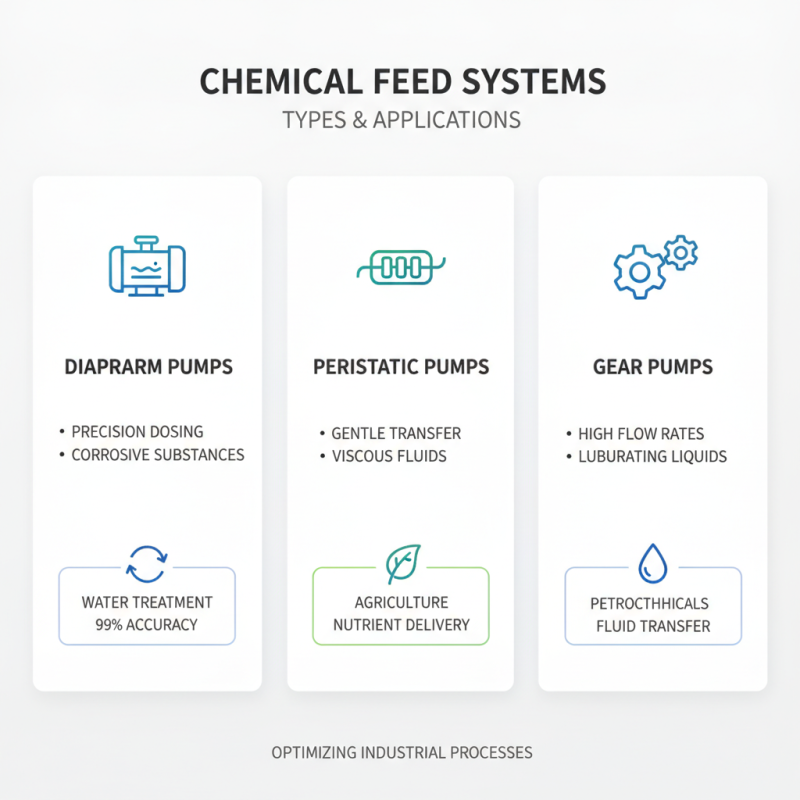
Chemical feed systems play a vital role in various industries, including water treatment, agriculture, and petrochemicals. Understanding the different types of systems is essential for effective application. For instance, diaphragm pumps are widely used for their precision and ability to handle corrosive substances. According to industry reports, systems employing diaphragm pumps can achieve up to 99% accuracy in chemical dosing, which is crucial for maintaining water quality.
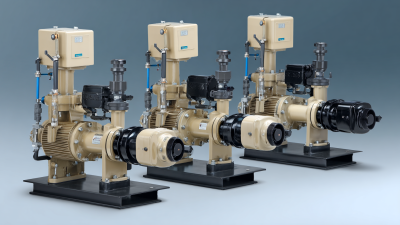
Another important type is metering pumps. These systems allow for precise chemical dosing in applications like pharmaceutical manufacturing. They are designed to accommodate various flow rates and pressures, making them versatile. In fact, a recent survey indicated that 70% of chemical engineers preferred metering pumps for their flexibility and reliability.
When choosing a chemical feed system, consider the specific application requirements. Factors like chemical compatibility, flow rate, and pressure tolerance are critical. Some users may overlook the importance of maintenance, which could lead to inefficiencies. Regular checks and updates are necessary to ensure the system’s longevity and performance.
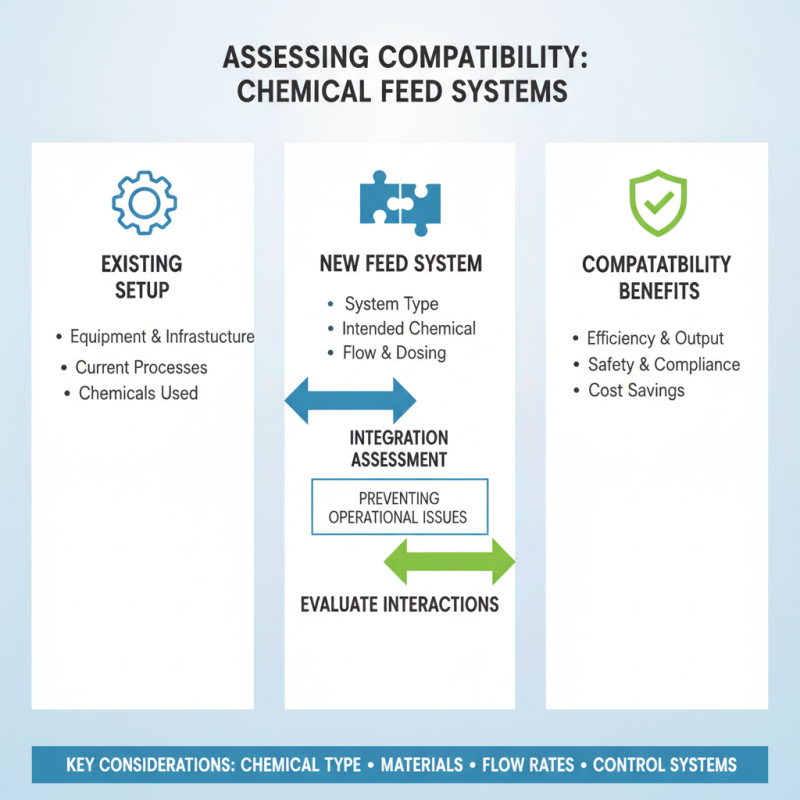
When selecting a chemical feed system, the compatibility with existing equipment and processes is essential. Assessing how a new feed system integrates with your current setup can prevent numerous operational issues. A mismatched system may lead to inefficiencies, safety hazards, or increased costs. Take time to evaluate the intended chemical and its interactions with your infrastructure.
Examine the size and scale of both the feed system and your processes. Does the system match the flow rates needed? What about the materials used in the existing equipment? Regular inspections and maintenance histories may shed light on potential compatibility issues. In some cases, you might discover outdated or inefficient components within your existing framework.
Engaging with cross-functional teams can enhance your assessment process. Collaboration encourages diverse perspectives, revealing blind spots in your current operations. Additionally, documentation of previous challenges faced with existing systems can provide valuable insights. While the perfect solution may not exist, a well-informed decision can significantly improve your chemical handling processes.
When evaluating chemical feed systems, cost-effectiveness is a primary concern. A thorough analysis should consider both initial purchase costs and ongoing expenses. Look beyond the upfront price tag. Consider energy consumption, chemical usage efficiency, and overall lifespan. A system that appears cheaper initially may incur higher operational costs over time. Understanding these factors can save money in the long run.
Maintenance requirements are equally critical. Reliable systems require less frequent servicing, leading to lower operational downtime. Regular maintenance can prevent significant failures. However, some systems may have complicated parts that elevate maintenance challenges. It's essential to assess how user-friendly the maintenance procedures are. Sometimes, the best choice is not the most complex system. Prioritize simplicity alongside reliability. Balancing cost and maintenance can be tricky, but it's vital for long-term success.