In 2026, choosing the right household insecticide is more crucial than ever. Various reports indicate a significant increase in household pest problems, with nearly 30% of homes facing frequent infestations. These infestations can lead to health risks and property damage. Not all household insecticides are created equal. With numerous products on the market, selecting the right option can be overwhelming.
Recent data highlights that improper use of household insecticides can harm both humans and pets. For instance, over 10,000 emergency room visits in the U.S. each year are linked to pesticide exposure. Many consumers overlook important details. The labeling and safety instructions often remain unread. This lack of awareness can lead to ineffective pest control or dangerous situations.
It's essential to reflect on the evolving landscape of household insecticides. Public awareness and education remain limited. Effectiveness and safety can sometimes be at odds. Many individuals may not consider organic or natural alternatives. By recognizing these complexities, a more informed decision can be reached. Understanding household insecticides not only protects our homes but also promotes a healthier living environment.
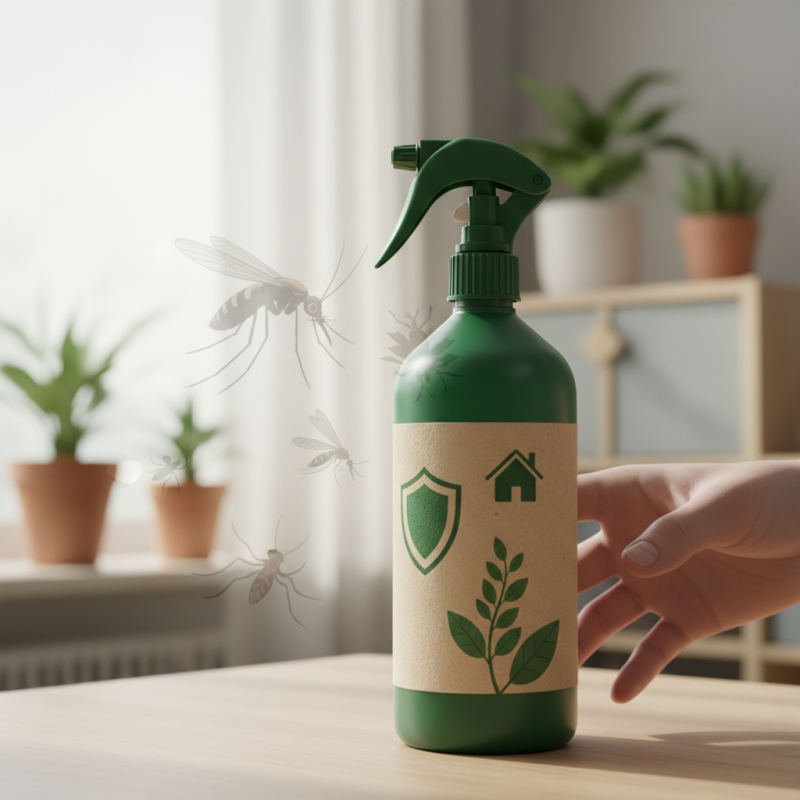
Understanding household insects is crucial for effective pest control. Common household pests include ants, cockroaches, and spiders. Ants are social insects. They follow trails to food sources. Spotting a line of ants can tell you where they are nesting. Cockroaches thrive in dark, damp places. They’re nocturnal and can multiply quickly. Recognizing their droppings is essential for identification. Spiders, while often harmless, can indicate other pest issues.
Identifying these pests helps tailor your approach. Observe their behavior and locations. Ants may invade kitchens, while roaches prefer hidden corners. Note the time of day you see them. This will aid in pinpointing the source. Consider the potential risks they pose. Some insects may damage property or contaminate food. However, responding too quickly can lead to hasty decisions. Evaluate your options carefully.
Experimenting with natural methods or barriers might be worthwhile. Use essential oils or diatomaceous earth for alternative solutions. These methods may not be as immediately effective, but they reduce chemical exposure. Remember, part of managing pests is understanding them. Each insect plays a role in the ecosystem. Reflect on their behavior before acting. This understanding leads to better pest management strategies in the long run.
Choosing the right household insecticide can be daunting. There are different types, each with unique features. Knowing the options helps you make informed decisions.
One common type is aerosol sprays. They are easy to use and provide instant results. However, they can leave a residue. Some insecticides come in liquid form, suitable for larger areas. These often require mixing, which can be tricky. Then there are granules, which can be spread in gardens. They offer a slower release but may take time to show effects.
Natural insecticides are gaining popularity. They might be less effective at times. This can be frustrating if pests are persistent. It's important to consider toxicity levels, especially around children and pets.
Researching ingredients is a critical step. Many people forget to check labels, which can lead to poor choices. Always keep safety in mind when selecting insecticides for your home.
When selecting household insecticides, safety and effectiveness are essential factors. Always read labels carefully. Look for ingredients that are known to be safe for indoor use. Ensure that the insecticide targets the specific pest you want to eliminate. Some products are more effective against ants, while others might be better for flies or roaches.
Consider the area you want to treat. Areas frequented by children or pets require extra caution. Opt for insecticides that are low in toxicity. Remember, not all products have the same level of safety. Sometimes, those that seem safer may not work as well.
Here are some tips to keep in mind:
Sometimes, pests can persist despite your efforts. An effective insecticide might be necessary, but overuse can lead to resistance. Reflect on your pest control habits, and adjust as needed. Finding the right balance can require patience and constant evaluation.
When choosing household insecticides, application methods are crucial. Proper application ensures effectiveness. According to a 2022 pest control study, improper usage leads to a 30% reduction in effectiveness. This means careful attention to details matters.
Spraying is a common method. It requires a steady hand and even coverage. Aiming for cracked surfaces is vital. Insects often hide in these areas. A 2023 report found that targeting such spots increases success rates by 25%. Avoid thick layers. A thin, even coat prevents insects from developing resistance.
Traps are another effective option. They help monitor infestations over time. Setting them in high-traffic areas captures more insects. Research shows proper placement can enhance baiting efficiency by up to 40%. Ensure they are cleaned regularly. Dust and debris can reduce their trapping ability.
Overall, understanding application methods is key. Even small mistakes can lead to failures. Insufficient coverage or wrong placement reduces effectiveness. Each step should be considered carefully for the best outcomes.
This bar chart illustrates the percentage usage of various types of household insecticides in 2026. Sprays are the most commonly used, followed by granules and baits, showcasing a diverse approach to pest control methods among households.
When considering pest control for your home, eco-friendly options are gaining popularity. Many traditional insecticides contain harmful chemicals. These can affect not only pests but also your family and pets. In fact, studies show that nearly 70% of households are concerned about the impact of chemicals in their environment.
Choosing the right product involves research. Look for solutions that utilize natural ingredients. For example, neem oil, diatomaceous earth, and essential oils are effective and safer alternatives. They target pests without posing risks to human health. Make sure to read labels carefully. Even “natural” can sometimes mean mixed with synthetic substances.
Tips for effective eco-friendly pest control include sealing cracks in your home. This prevents insects from entering. Regular cleaning also deters pests by removing food sources. You might find that introducing beneficial insects, like ladybugs, can control aphid populations. Though these techniques might require patience, they foster a more sustainable approach to pest management. Remember, not all solutions work instantly. It’s a learning process.