Choosing the right chemical diaphragm pump can be a daunting task. The global diaphragm pump market was valued at approximately $3.5 billion in 2021. It is projected to grow at a CAGR of 4.5% from 2022 to 2027. This growth indicates increasing reliance on efficient pumping solutions in various industries, including chemicals, pharmaceuticals, and food processing.
Chemical diaphragm pumps are known for their ability to handle aggressive fluids. They provide reliable performance and reduce the risk of contamination. However, selecting the best pump requires careful consideration of multiple factors. Users must evaluate flow rates, chemical compatibility, and operating conditions. These elements can significantly affect the pump's efficiency and longevity.
Many buyers overlook the importance of choosing the right materials. Not all diaphragm pumps are created equal, and using unsuitable materials can lead to frequent failures. It’s vital to consult with manufacturers and review operational history. This process can help identify potential pitfalls before making a purchase.
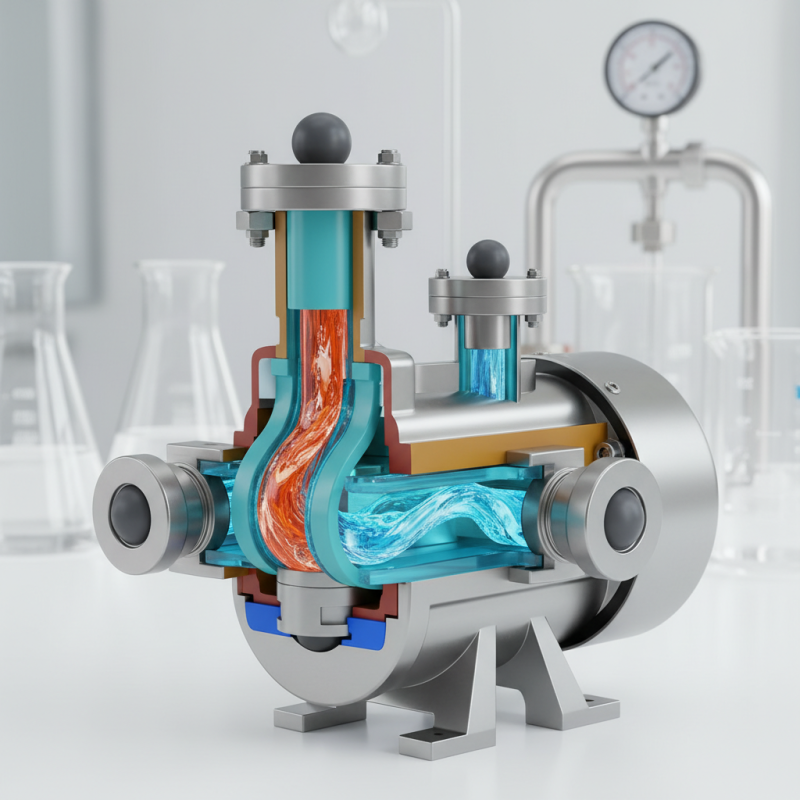
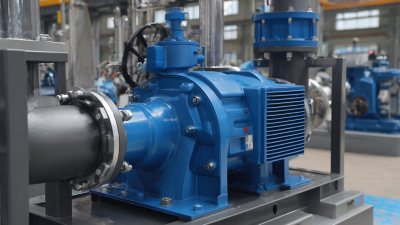
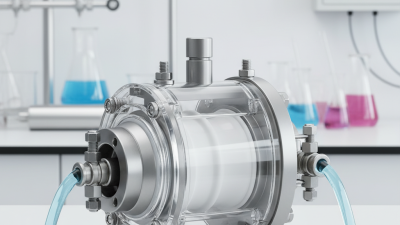
Chemical diaphragm pumps are designed to transfer various liquids while ensuring reliability and safety. They operate on a principle that involves a diaphragm moving back and forth. This movement creates a vacuum that draws liquid into a chamber. Once the chamber fills, the diaphragm pushes the liquid out. This mechanism is essential for handling corrosive and hazardous materials.
Understanding the materials used in diaphragm construction is crucial. They can be made from a range of substances like PTFE, rubber, or other composites. Each material offers varying degrees of chemical resistance. Depending on the specific application, one material may outperform another. Yet, it’s essential to carefully assess these options. Selecting the wrong material can lead to pump failure or leaks.
When choosing a diaphragm pump, consider the flow rate and pressure. These factors directly influence performance in different applications. Often, users overlook these specifications. The pump's compatibility with the intended fluid should never be underestimated. Real-world trials and testing can reveal nuances that make a substantial difference. Re-evaluating your choice after usage may uncover potential improvements.
When selecting a chemical diaphragm pump, specific key specifications can determine its effectiveness and suitability for your needs. First, consider the materials of construction. Many diaphragm pumps feature various materials including PTFE, polypropylene, and stainless steel, which affect their chemical resistance. Choosing the right material is crucial for compatibility with the fluids being pumped.
Next, pay attention to flow rate and pressure. Each application has unique requirements, and understanding these needs helps narrow down your options. A pump with a higher flow rate may be necessary for larger systems, while lower rates can be sufficient for smaller operations. Recognizing the operational pressure required is equally important.
Tips: Always check if the pump can handle solid particles if you're dealing with slurries. Consider the noise level too. Some pumps operate quietly while others can be quite loud. Lastly, keep in mind that proper installation and maintenance can extend the lifespan of your diaphragm pump. Regular inspections will help identify potential issues before they lead to major failures.
When selecting a chemical diaphragm pump, material compatibility is paramount. Using incompatible materials can lead to pump failures and costly downtime. In fact, studies suggest that approximately 30% of pump failures relate directly to material incompatibility. Understanding chemical properties is critical for making informed decisions.
Most pumps feature materials like PTFE, polypropylene, and stainless steel. Each material has unique resistance levels to various chemicals. PTFE excels against corrosive substances, while polypropylene suits less aggressive applications. However, even trusted materials can fail under specific conditions. For example, prolonged exposure to concentrated acids can degrade these materials, leading to leaks.
Moreover, temperature and pressure affect material performance significantly. Operating temperatures beyond specified limits can weaken diaphragm integrity. Industry reports highlight that nearly 25% of diaphragm pump failures occur due to thermal or pressure stress. Thus, ongoing evaluation of operating conditions is essential. Awareness of these factors helps prevent unexpected issues and enhances pump lifespan.
When evaluating diaphragm pumps, flow rate and pressure requirements are crucial. They directly affect pump performance and efficiency. The flow rate indicates how much fluid the pump can move. It is typically expressed in gallons per minute or liters per minute. If the flow rate is too low, your operations may slow down. Conversely, if it's too high, it might lead to increased wear and energy consumption.
Pressure requirements also play a vital role. Different applications require different pressure levels. For example, chemical transfer might need higher pressure than water treatment. Understanding your specific needs helps you choose the right pump. Consider both inlet and outlet pressures. Make sure to examine the pump curve for accurate data.
Tips:
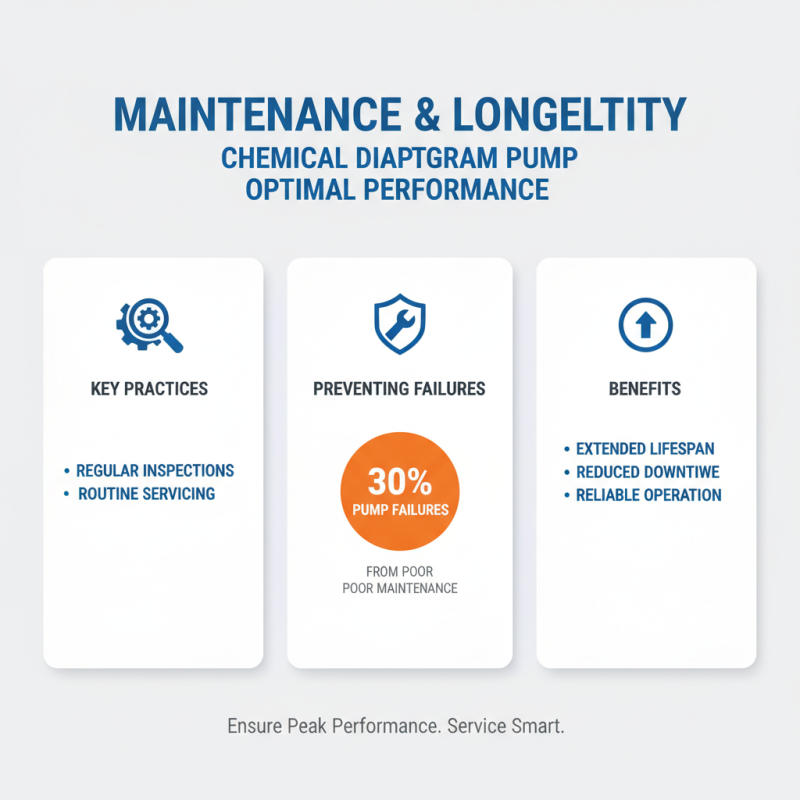
Maintaining a chemical diaphragm pump is crucial for ensuring its longevity. Regular inspections can prevent unexpected failures. According to industry studies, up to 30% of pump failures stem from inadequate maintenance. This highlights the importance of routine checks and servicing.
Operators should establish a maintenance schedule. Monitor the diaphragm for wear. Look for leaks or unusual noises. These signs can indicate potential problems. Data from a leading pump maintenance report shows that proactive care can extend pump life by 20-40%.
Using the right lubricants helps maintain efficiency. Proper lubrication reduces friction, allowing smoother operation. However, not every lubricant is suitable for all chemical environments. Regular training for operators can enhance maintenance practices. This knowledge leads to better decision-making. Considering these factors can significantly impact the performance and lifespan of your diaphragm pump.