
What Is an Industrial Laser Cutter and How Does It Work?
An industrial laser cutter uses a focused beam of light to remove material along a programmed path. It can process sheet metal, plastics, wood, and other approved materials. The machine combines a laser source, cutting head, motion system, and control software. Before cutting, an operator checks the material type, thickness, surface condition, and drawing dimensions.
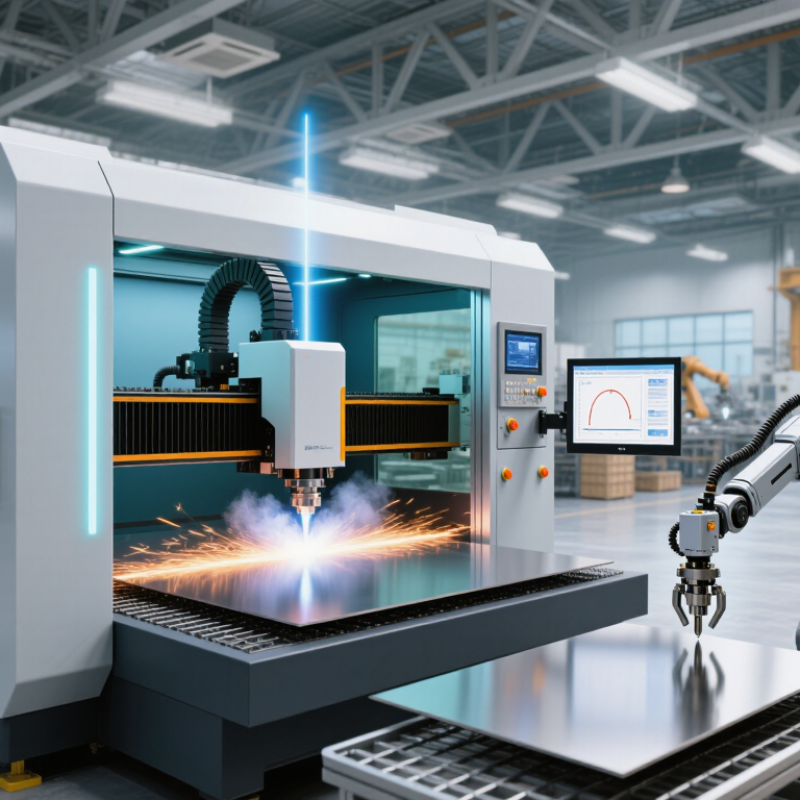
The laser cutting process starts with a digital design. Software converts the drawing into controlled movements for the cutting head. The operator positions the sheet and secures it on the cutting bed. The head then moves to a measured starting point. A short pulse pierces the material, creating the initial hole. Cutting gas flows through the nozzle and clears molten material from the kerf. The focused beam follows the programmed path, melting or vaporizing a narrow line.
The cut edge depends on power, speed, focus, gas pressure, and nozzle alignment. Small adjustments matter. A slightly dirty lens can reduce consistency. Excessive speed may leave uncut sections or rough edges. Lower speed can create excessive heat and discoloration. The process is not as perfect as diagrams suggest. Operators usually inspect the first part, measure critical features, and adjust settings when needed. Thin sheets may warp, while reflective metals can require careful machine calibration. Safe operation also requires proper ventilation, guarding, approved materials, and trained supervision.