2026 Top Cellulose Ether Additives Explained for Beginners?

In the world of additives, Cellulose Ether Additives have become vital. These substances enhance various products, especially in construction and food applications. For beginners, understanding these additives can seem challenging, but it's not impossible.

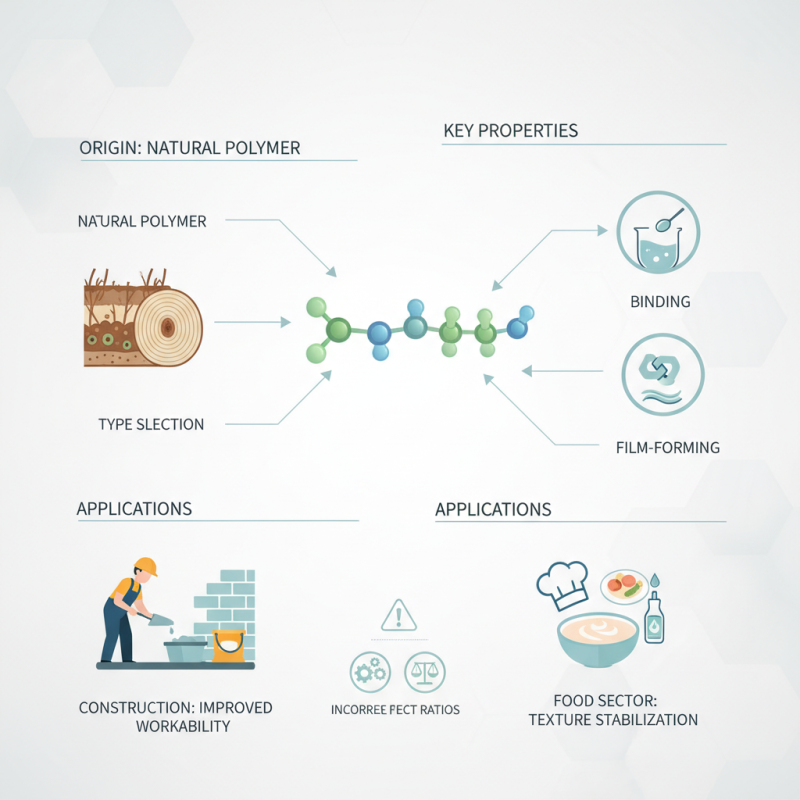
Cellulose Ether Additives are derived from cellulose, a natural polymer. They are known for their thickening, binding, and film-forming properties. This makes them essential in many industries. For example, in construction, they improve the workability of cement mixtures. In the food sector, they help maintain the texture of sauces. However, their efficacy can vary based on application and formulation.

As we explore this topic, one might wonder about the best practices for using Cellulose Ether Additives. Mistakes can occur if the wrong type is chosen or if incorrect ratios are used. It’s important to reflect on these details to maximize their benefits. Embracing this knowledge can lead to better results and innovation in usage. Understanding these basics illuminates their vital role in enhancing everyday products.
2026 Top Cellulose Ether Additives Explained for Beginners?

Understanding Cellulose Ethers: What They Are and Their Uses

Cellulose ethers are versatile additives derived from cellulose, a natural polymer. They are used in various industries, including construction, food, and personal care products. In 2023, the cellulose ether market was valued at around $3.5 billion, showing steady growth. This growth stems from their ability to enhance product performance, particularly in applications requiring thickening, binding, and film-forming properties.

In construction, cellulose ethers improve the workability of cement and mortar. They help retain water, allowing for better adhesion and reducing cracking. A report by Grand View Research predicts the demand for cellulose ethers in this sector will grow by over 5% annually through 2030. In food applications, cellulose ethers serve as stabilizers and emulsifiers, ensuring consistent texture and flavor. For instance, they play a critical role in low-fat products by maintaining creaminess.

While cellulose ethers provide significant benefits, there are areas for improvement. Some manufacturers face challenges with solubility and viscosity consistency across batches. Additionally, the environmental impact of sourcing cellulose needs continuous evaluation. Efforts to develop biodegradable alternatives are underway, but challenges remain in achieving the desired properties while ensuring sustainability. These reflections highlight the need for ongoing innovation and adaptation in the cellulose ether industry.

2026 Top Cellulose Ether Additives Explained for Beginners

This chart illustrates the estimated market share of different types of cellulose ether additives in 2026. The data shows the prominence of various cellulose ethers in applications such as construction, pharmaceuticals, and food industries.

Types of Cellulose Ether Additives and Their Applications

Cellulose ether additives come in various types. They're essential in many industries. From construction to food production, their applications are vast. Hydroxypropyl methylcellulose (HPMC) is commonly used as a thickener. It's also a binder in tile adhesives. This additive helps create a smooth texture.

Carboxymethyl cellulose (CMC) serves another purpose. It's utilized in daily products like paint and ice cream. CMC helps improve viscosity. It also prevents separation in liquids. Another notable type is Ethyl cellulose, which is often employed in coating formulations. Its water-repellant properties are beneficial in many applications.

There are imperfections in utilizing these additives. For example, the wrong type may lead to poor adhesion. Miscalculating dosages can affect the end product. Manufacturers must be careful during formulation. Understanding each type and its uses can be challenging. Each additive has unique characteristics that influence performance. Thus, selecting the right cellulose ether is crucial for success.

Key Benefits of Using Cellulose Ethers in Various Industries

Cellulose ethers are versatile additives used across various industries. They are derived from cellulose, a natural polymer found in plant cell walls. These additives enhance properties like consistency, viscosity, and stability. Industries such as construction, pharmaceutical, and food production benefit significantly from their use. For example, in construction, cellulose ethers improve the workability of mortars and adhesives. They help in water retention, allowing for better adhesion and extended open time.

In the food industry, cellulose ethers serve as thickening agents. They provide texture and viscosity to sauces and dressings. The emulsifying properties of cellulose ethers help keep ingredients mixed. This adds to the product’s appeal and shelf life. However, understanding the specific applications and limitations is crucial. Overuse can lead to undesirable textures or instability in the final product. It’s essential to balance performance with cost and formulation needs.

Cellulose ethers also find applications in pharmaceuticals. They are used as excipients in drug formulations. They aid in controlled release and improve stability. However, the choice of cellulose ether must align with the desired effects and regulations. Some formulations may experience challenges in solubility or absorption. Awareness of these issues can lead to better product development and improved efficacy.

How to Choose the Right Cellulose Ether Additive for Your Project

Choosing the right cellulose ether additive for your project requires careful consideration. These additives are used in various industries, including construction, cosmetics, and food processing. They can enhance viscosity, improve texture, and ensure product stability. According to a recent market report, the global cellulose ether market is expected to reach approximately $4 billion by 2026. This indicates growing demand across multiple sectors.

When selecting an additive, assess the specific needs of your project. Factors include the desired viscosity, solubility, and the application method. For instance, hydroxypropyl methylcellulose (HPMC) is often preferred for its solubility in cold water. However, it may not work well in high-temperature applications.

Tips: Always conduct small-scale tests before full implementation. This can save time and resources. Consider environmental impact as well. Not all cellulose ethers are biodegradable. Sometimes, manufacturers overlook sustainability in pursuit of performance. Careful assessment can help prevent unnecessary waste.

2026 Top Cellulose Ether Additives Explained for Beginners

Additive Name Viscosity Grade Solubility Main Applications Key Benefits
Hydroxypropyl Methylcellulose (HPMC) Low to High Water-soluble Mortars, Adhesives Improved workability
Methylcellulose (MC) Medium Water-soluble Construction, Food Thickening, Stabilizing
Carboxymethylcellulose (CMC) Variable Water-soluble Paints, Detergents High viscosity, Binding
Ethylcellulose (EC) Low to Medium Organic Solvents Pharmaceuticals, Coatings Controlled release
Sodium Carboxymethylcellulose (Na-CMC) High Water-soluble Food, Personal Care Moisture retention

Future Trends in Cellulose Ether Additives for 2026 and Beyond

The demand for cellulose ether additives is set to grow significantly by 2026. Industry reports project a compound annual growth rate (CAGR) of over 5% in this segment. Applications span construction, food, and pharmaceuticals, highlighting cellulose ethers' versatility. These additives enhance viscosity and water retention. As industries evolve, so do the formulations.

A trend gaining traction is the focus on sustainability. Manufacturers are developing bio-based cellulose ether products to reduce environmental impacts. This shift aligns with increasing consumer awareness. More eco-friendly options may become standard in the market. Companies need to adapt or risk falling behind.

Tip: When exploring cellulose ether options, consider their origin. Sustainable sources can influence both performance and market acceptance.

Another concern is quality consistency. Variability can affect product efficacy. Industry standards are crucial for ensuring reliable performance. Continuous improvement in testing methods can help address this issue.

Tip: Engage with suppliers who prioritize transparency in their processes. This information is essential for making informed decisions.

Article Source: