Choosing a dependable Ceramic Rod supplier is rarely as simple as comparing prices on a product page. Global buyers must examine material grade, diameter tolerance, straightness, surface finish, thermal performance, and production consistency. A rod that looks flawless in a photograph may still fail during machining, insulation assembly, or repeated heating cycles.
Ceramic engineer and author David W. Richerson wrote, “Ceramics are inorganic, nonmetallic materials.” This concise definition explains why supplier expertise matters. Alumina, zirconia, silicon nitride, and other advanced ceramics respond differently to stress, temperature, chemicals, and impact. The right supplier should explain those differences clearly, not hide them behind technical jargon.
This guide reviews seven Ceramic Rod suppliers serving international buyers. It considers manufacturing experience, quality systems, customization, testing, packaging, communication, and delivery capability. Practical details matter. Can the supplier provide a dimensional inspection report? Are batch numbers traceable? Will the rods arrive protected from edge chipping after a long sea journey? These questions often reveal more than a polished website.
The selection is useful, but not absolute. Market conditions change. A supplier with excellent laboratory results may still offer slow communication or limited export support. Buyers should verify current certificates, samples, lead times, and payment terms before placing an order. Small oversights can become expensive.
Look closely. Compare carefully. The best choice depends on your application, not advertising alone.
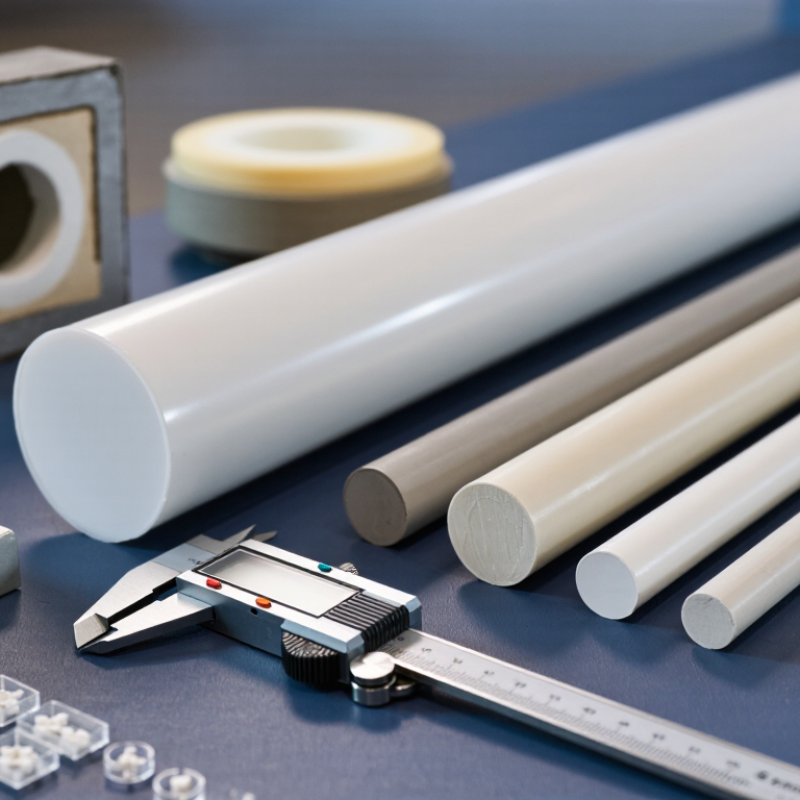
Ceramic rods differ by chemistry, strength, thermal behavior, and electrical performance. Alumina rods suit furnace supports, kiln fixtures, and high-voltage insulation. They tolerate heat well and resist many corrosive chemicals. Zirconia rods provide high fracture toughness, making them useful for wear parts, cutting tools, and precision guides. Silicon nitride rods handle rapid temperature changes and heavy mechanical loads. They often appear in bearings, burner components, and molten-metal equipment. Cordierite rods offer low thermal expansion for kiln furniture and laboratory supports. Small details matter.
In furnace assemblies, a rod may face direct flame, vibration, and repeated cooling. In textile machinery, it may guide fibers without scratching delicate surfaces. Electrical systems require stable insulation and controlled surface finish. Laboratory equipment may need low contamination and predictable dimensions. The wrong grade fails quietly. Check operating temperature, load direction, chemical exposure, and contact pressure before ordering. In practical sourcing, I have found that hardness alone does not predict service life. Surface roughness and edge finishing can matter just as much.
For global buyers, a reliable supplier should provide material certificates, dimensional reports, and clear tolerance data. Ask whether testing covers density, flexural strength, dielectric performance, and thermal shock resistance. Request samples before approving mass production. Dimensional inspection matters. Packaging also deserves attention because chipped ends can ruin an otherwise suitable batch. A strong supplier explains machining limits instead of promising every shape. Yet catalogs can hide application risks. Leave room for trial testing, design changes, and honest technical review.
When evaluating the seven best ceramic rod suppliers, begin with technical consistency, not attractive catalogs. Request the ceramic type, purity level, density, hardness, and maximum operating temperature. Alumina, zirconia, and silicon nitride serve different applications. A supplier should explain those differences clearly.
Ask for inspection reports covering diameter tolerance, straightness, surface roughness, and visible defects. For example, a 10 mm rod with a 0.02 mm tolerance may suit precision assemblies, while general fixtures may accept wider limits. Reliable suppliers provide batch numbers and test records. They should also send samples before large production. Small details matter.
Production experience deserves direct verification. Review factory photographs, process descriptions, quality certifications, and customer references from similar industries. Check whether grinding, polishing, and cutting occur in-house or through subcontractors. That distinction can affect consistency and delivery time. Packaging is easy to overlook. Foam supports, sealed bags, and moisture control can prevent chipped edges during international transport.
A clear quotation should include minimum order quantities, tooling charges, lead time, payment terms, and shipping responsibilities. Communication speed matters too. Delayed answers during sampling may become serious problems later. Still, documentation is not proof of perfect performance. I would test every batch when tolerance is critical. A polished presentation can hide weak process control, and even experienced buyers sometimes trust paperwork too quickly.
Seven Leading Ceramic Rod Suppliers for International Buyers
Global buyers need more than a polished catalog when sourcing ceramic rods. The broader advanced ceramics market reached about USD 89.2 billion in 2023, according to Fortune Business Insights, showing strong demand across electrical, medical, and industrial applications. However, market growth does not guarantee consistent rod quality. Diameter tolerance, surface finish, porosity, and thermal-shock performance still require direct verification.
This guide evaluates seven leading ceramic rod supplier profiles for international buyers. They include manufacturers focused on alumina, zirconia, silicon carbide, high-temperature ceramics, precision machining, custom dimensions, and export documentation. Buyers should request inspection reports, material certificates, batch traceability, and sample rods before placing volume orders. ISO 9001-based quality systems can improve process control, but certification alone proves little. Ask how measurements are recorded.
The U.S. Geological Survey reports that global alumina production exceeded 140 million metric tons in 2024, reflecting the scale of the raw-material supply chain. Still, raw-material availability is not the same as finished-rod reliability. A supplier may offer excellent hardness but weak machining accuracy. Another may machine precisely but provide poor packaging. That is where practical evaluation matters. Check the rods under magnification, measure several points, and test them in the intended temperature range. No ranking is flawless. Freight damage, changing formulations, and incomplete technical data can expose weaknesses that a website hides.
| Supplier Profile | Primary Production Region | Common Ceramic Materials | Typical Diameter Range | Typical Length Range | Approx. Maximum Service Temperature | Customization Capability | Indicative MOQ | Typical Export Lead Time |
|---|---|---|---|---|---|---|---|---|
| Supplier Profile A | East Asia | Alumina, zirconia, steatite | 1–50 mm | 20–1,000 mm | 1,600–1,800°C | Cutting, grinding, drilling, polishing | 100–500 pieces | 3–6 weeks |
| Supplier Profile B | Central Europe | Alumina, mullite, cordierite | 2–40 mm | 25–800 mm | 1,400–1,700°C | Tight-tolerance grinding and custom profiles | 50–250 pieces | 4–8 weeks |
| Supplier Profile C | South Asia | Alumina, steatite, zirconia | 3–60 mm | 30–1,200 mm | 1,500–1,800°C | Threading, slots, chamfers and surface finishing | 250–1,000 pieces | 4–7 weeks |
| Supplier Profile D | North America | Alumina, zirconia, silicon nitride | 1–30 mm | 10–600 mm | 1,200–1,800°C | Precision tolerances, prototypes and small batches | 10–100 pieces | 5–10 weeks |
| Supplier Profile E | Southeast Asia | Alumina, mullite, cordierite | 4–75 mm | 50–1,500 mm | 1,300–1,700°C | Extrusion, machining and batch production | 500–2,000 pieces | 4–8 weeks |
| Supplier Profile F | East Asia | Zirconia, alumina, silicon nitride | 0.5–25 mm | 5–500 mm | 1,200–1,800°C | Micro-diameter rods, precision grinding and polishing | 20–200 pieces | 5–9 weeks |
| Supplier Profile G | Western Europe | Alumina, zirconia, fused silica | 1–45 mm | 20–900 mm | 1,000–1,800°C | Custom geometry, glazing and inspection documentation | 25–300 pieces | 5–10 weeks |
Note: Specifications are representative industry ranges for supplier comparison. Exact material grades, tolerances, certifications, minimum order quantities and delivery dates should be confirmed directly before purchasing.
When comparing seven ceramic rod suppliers, material choice should lead the discussion. Alumina usually offers strong electrical insulation and lower pricing. Zirconia provides higher fracture toughness for wear-heavy assemblies. Silicon nitride handles thermal shock and rotating applications more effectively. Machinable glass-ceramic rods simplify prototyping, but they may sacrifice strength. Grand View Research valued the global advanced ceramics market at over USD 100 billion in 2023, reflecting expanding demand for engineered ceramic components.
Standards reveal supplier discipline. Ask for batch traceability, dimensional inspection records, and certificates linked to ISO 9001 systems. ASTM C1161 can support flexural-strength testing, while ISO 2768 may clarify general dimensional tolerances. These standards do not replace a product drawing. They only create a dependable baseline. A serious supplier should report diameter tolerance, surface roughness, density, and firing shrinkage. Small details matter. A 0.2 mm variation can disrupt a close-fitting thermal assembly.
Pricing differs sharply by geometry and volume. Standard alumina rods may range from roughly USD 2 to USD 15 each, while precision zirconia or silicon nitride parts can exceed USD 40. Industry procurement reports commonly identify custom tooling and low order quantities as major cost drivers. Stock items may ship within one week. Custom batches often require four to twelve weeks, including testing. My comparison is practical, not flawless. Some suppliers quote quickly but explain tolerances poorly. Buyers should request samples, inspect packaging, and confirm delivery terms before approving production.
7 Best Ceramic Rod Suppliers for Global Buyers
Steps for Selecting and Purchasing Ceramic Rods Worldwide
Selecting ceramic rod suppliers requires more than comparing prices. Define the application first. Note the required diameter, length, tolerance, density, hardness, and operating temperature. Electrical projects may need dielectric strength data. Wear applications often require alumina or zirconia grades with verified hardness. Ask for technical datasheets, inspection records, and representative samples.
Evaluate seven potential suppliers using the same checklist. Confirm their forming, sintering, grinding, and polishing capabilities. Check whether they measure roundness and surface roughness consistently. Request recent quality reports, production photos, and reference projects from similar industries. Reliable suppliers should explain rejected-product handling and corrective actions clearly. Vague answers deserve caution.
Purchase samples before placing a large order. Measure them independently with calibrated tools. A spreadsheet can still mislead. My early comparison focused too heavily on unit cost, while packaging caused unexpected breakage. Specify protective sleeves, moisture control, carton strength, and pallet requirements. Confirm lead time, minimum order quantity, payment terms, and delivery responsibilities. Review export documents, certificates of origin, and customs requirements before shipment. Ask whether the supplier can maintain the same grade across repeat orders. Small tolerance changes may affect assembly. Keep written approval records for drawings, samples, and final inspection criteria. Recheck everything.
Material selection is a key step when comparing ceramic rod suppliers. The chart below shows representative coefficient-of-thermal-expansion ranges for seven commonly specified ceramic rod materials. Lower values generally indicate better dimensional stability during thermal cycling.
Typical engineering ranges are shown in ×10⁻⁶/K. Actual performance depends on purity, additives, porosity, manufacturing method, temperature, and supplier-specific grades.