
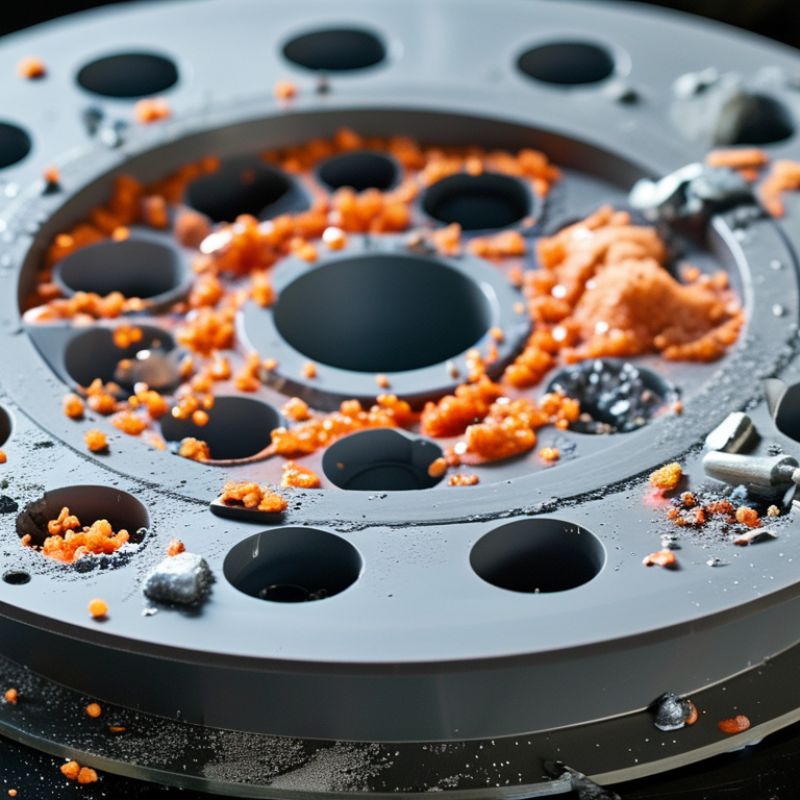
Why Choose Melt Filtration Disc for Plastic Extrusion?
Balancing Screen Area, Pressure Rise, and Throughput in Disc Selection
A melt filtration disc supports stable extrusion when contamination varies during production. Its value depends on more than nominal screen diameter. Open area, wire geometry, disc thickness, and polymer viscosity all influence pressure rise. A larger filtration area usually lowers the load on each opening. This can delay pressure increase and extend operating time.
In practice, I compare the disc’s effective area with the line’s hourly output. A disc running at 800 kilograms per hour may perform well with moderate contamination. The same design can respond poorly at 1,200 kilograms per hour. Pressure tells the story. A gradual rise may indicate normal loading, while a sharp increase can signal insufficient area, cold melt, or uneven distribution.
Throughput must not be selected by capacity claims alone. Melt temperature, recycled content, pigment level, and screen changing intervals matter. I prefer recording inlet pressure, outlet pressure, melt temperature, and output during a controlled trial. The pressure difference should remain stable without forcing the extruder motor beyond its normal range.
A high-area design may reduce pressure rise but increase cost or require more installation space. A finer filtration grade may improve cleanliness, yet restrict flow sooner. My initial selection has sometimes looked correct on paper and failed during a dirty-material run. That is why production data should challenge the calculation, not merely confirm it.